

What Log Book Servicing Actually Means
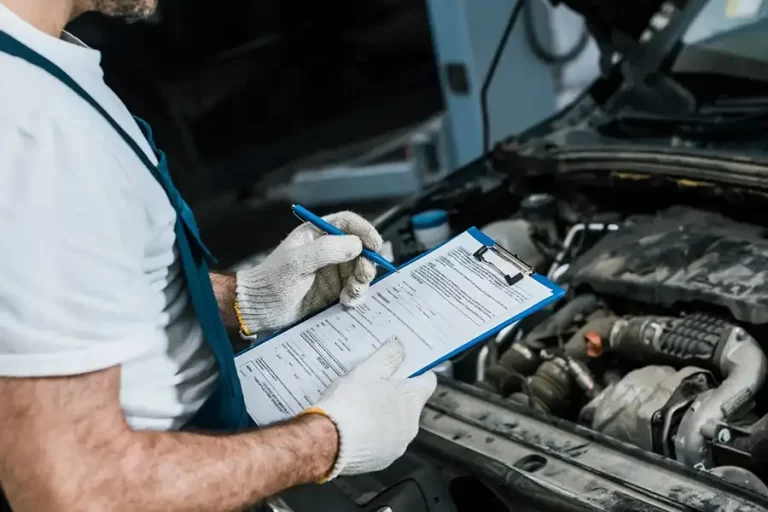
Log book servicing is scheduled maintenance carried out according to the manufacturer’s recommended service intervals. These intervals are usually based on kilometres travelled, time, or both.
The log book outlines what should be inspected, adjusted, replaced, or tested at each service stage. This may include oil and filters, fluids, brakes, tyres, belts, hoses, lights, battery condition, steering, suspension, and other vehicle systems.
Many drivers think servicing is only about changing engine oil. In reality, log book servicing is a structured maintenance plan designed to keep the vehicle operating safely and reliably.
Why Drivers Delay Servicing
It is common for drivers to delay servicing when the car seems to be running normally. If there are no warning lights, no strange noises, and no obvious problems, servicing can feel easy to postpone.
Busy schedules, cost concerns, short trips, and uncertainty about what the service includes can also lead to delays.
However, many mechanical problems develop quietly before symptoms appear. Skipping scheduled maintenance may allow small issues to become larger and more expensive.
Engine Oil Breaks Down Over Time
Engine oil lubricates moving parts, reduces friction, helps control heat, and carries contaminants away from the engine.
Over time, oil becomes dirty and less effective. If it is not replaced at the correct interval, engine components may experience increased wear.
Short city trips can be especially hard on engine oil because the engine may not always reach ideal operating temperature for long enough. This can lead to moisture and contaminants building up faster.
Regular oil and filter replacement is one of the most important parts of scheduled servicing.
Filters Can Become Blocked
Vehicles use several filters, including oil filters, air filters, fuel filters, and cabin filters.
A dirty air filter can affect engine performance and efficiency. A clogged cabin filter can reduce air quality and airflow inside the car. A neglected oil filter can reduce the effectiveness of clean oil.
These parts are often small and inexpensive compared with the problems that can develop if they are ignored.
Brake and Tyre Checks Are Part of Safety
Logbook servicing is not only about the engine. It also includes safety checks.
Brakes and tyres are essential for stopping, handling, and vehicle control. A service may reveal worn brake pads, uneven tyre wear, low tread depth, poor tyre pressure, or suspension issues.
Many drivers do not notice gradual brake or tyre changes until performance becomes poor. Regular checks help identify problems earlier.
Fluid Levels and Condition Matter
Vehicles rely on several fluids, including coolant, brake fluid, transmission fluid, power steering fluid, and windscreen washer fluid.
Low, old, or contaminated fluid can affect performance and reliability. For example, coolant helps prevent overheating, while brake fluid supports braking response.
A log book service can include checking fluid levels and condition, then replacing or topping up fluids where required according to the service schedule.
Skipping Services Can Affect Warranty Confidence
For newer vehicles, following the manufacturer’s service schedule can help maintain warranty confidence. Drivers should keep clear records of services completed, including dates, kilometres, and work performed.
The service does not always have to be completed at a dealership, but it should be carried out properly using suitable parts and procedures.
Keeping service records also helps future buyers understand that the car has been maintained.
Warning Signs May Appear Too Late
Many drivers wait for a warning light before booking service. The problem is that warning lights often appear after an issue has already developed.
For example, overheating, battery failure, brake wear, or fluid leaks may be preventable if detected earlier during routine inspection.
Scheduled servicing aims to reduce the chance of unexpected problems by checking parts before they fail.
Why Sydney Driving Can Increase Wear
Sydney driving can be tough on vehicles. Stop-start traffic, short trips, heat, hills, potholes, and long commutes all contribute to wear.
A car that mostly travels short distances may still need regular servicing because time-based maintenance matters as well as kilometres.
Vehicles used for business, school runs, rideshare, deliveries, or frequent commuting may need extra attention because they are used more heavily.
What Happens During a Log Book Service
The exact work depends on the vehicle make, model, age, kilometres, and manufacturer schedule. A service may include oil and filter replacement, fluid checks, brake inspection, tyre inspection, battery testing, belt checks, hose checks, lights, steering, suspension, and diagnostic scanning.
Booking Log Book Servicing can help drivers keep maintenance aligned with the manufacturer’s schedule and identify issues before they become more serious.
How Drivers Can Stay on Track
Drivers can stay organised by noting service intervals, checking the log book, setting calendar reminders, watching dashboard service alerts, and keeping service receipts.
It is also wise to ask what is included in the service and whether any recommended repairs are urgent or can be planned later.
A good service process should help drivers understand the condition of their vehicle, not pressure them into unnecessary work.
Final Thoughts
Skipping log book servicing may seem harmless when the car feels fine, but it can lead to hidden wear, poor performance, unexpected breakdowns, and higher repair costs.
Regular servicing helps protect the engine, brakes, tyres, fluids, and key safety systems. For Sydney drivers, staying on schedule is one of the simplest ways to keep a car reliable in everyday conditions.
