

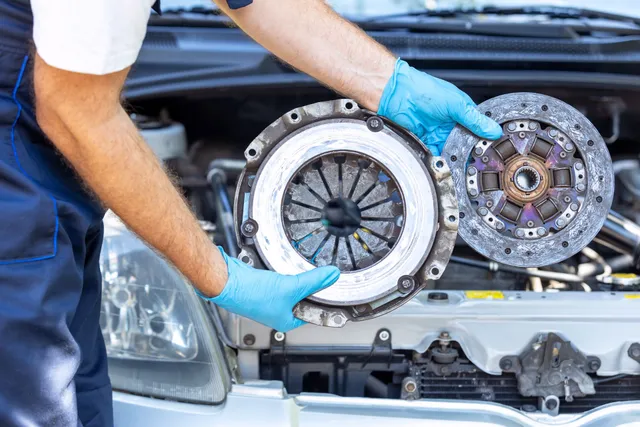
The clutch is one of the most important components in a manual vehicle. It connects the engine to the gearbox and allows the driver to change gears smoothly. When it is working properly, gear changes feel natural and controlled. When it starts to wear, driving can become difficult, uncomfortable, and unsafe.
Many drivers delay clutch replacement services because the signs can appear slowly. A clutch may still work for a while even when it is badly worn. However, waiting too long can lead to further damage and more expensive repairs. Understanding the warning signs can help you act before the vehicle becomes unreliable.
Common Signs of a Worn Clutch
One of the most common signs of clutch wear is slipping. This happens when the engine revs increase but the vehicle does not accelerate properly. You may notice it more when driving uphill, overtaking, or carrying extra weight.
Another sign is difficulty changing gears. If the gear lever feels stiff, gears grind, or the car struggles to go into gear, the clutch system may need attention. A high clutch bite point can also suggest wear. This means the clutch engages near the top of the pedal travel rather than lower down.
Other symptoms may include a burning smell, shuddering when taking off, unusual noises when pressing the clutch pedal, or a soft or loose pedal feel. Any of these signs should be inspected by a qualified mechanic.
Why Clutch Problems Should Be Checked Early
A worn clutch affects more than driving comfort. It can reduce control, increase stress on the gearbox, and leave the driver stranded if it fails completely. In busy Sydney traffic, a clutch problem can make stop-start driving stressful and unpredictable.
Booking clutch replacement services early can prevent further damage. In some cases, related parts such as the flywheel, clutch cable, hydraulic system, or clutch master and slave cylinders may also need inspection. A proper diagnosis helps confirm whether the clutch itself is worn or whether another component is causing the issue.
Clutch symptoms can have different causes, so the vehicle should be assessed by a qualified mechanic before replacing parts or continuing to drive with the issue.
What Happens During a Clutch Inspection?
A clutch inspection usually starts with a road test and pedal feel check. The mechanic may look for slipping, shuddering, gear selection issues, and abnormal noises. They may also inspect the hydraulic system, check fluid condition where applicable, and assess related components.
Drivers should book a clutch inspection if they notice:
- Engine revs rising without proper acceleration
- Difficulty selecting or changing gears
- A high clutch bite point
- Shuddering when taking off
- A burning smell after driving
- Unusual noises when pressing the clutch pedal
- A soft, loose, or unusually heavy clutch pedal
If replacement is needed, the gearbox generally needs to be removed to access the clutch assembly. This is why clutch repairs can be labour intensive. It is also why proper workmanship matters. Replacing the clutch correctly helps restore smooth gear changes and protects surrounding components.
Why Quality Parts Matter
A clutch is a hardworking component. It must handle heat, pressure, friction, and repeated use. Cheap or unsuitable parts may not perform well and could wear faster. Using quality parts that suit the vehicle helps improve reliability and driving feel.
For performance cars, European vehicles, and vehicles used in demanding conditions, the correct clutch type is especially important. A clutch that is not suited to the vehicle can affect driving comfort, durability, and power delivery.
Driving Habits That Can Wear a Clutch Faster
Clutch wear is normal over time, but some habits can shorten its life. Resting your foot on the clutch pedal while driving can cause unnecessary wear. Holding the car on a hill using the clutch instead of the brake can also create excess heat.
Frequent stop-start traffic, towing, heavy loads, and aggressive take offs can increase clutch wear. Smooth driving, proper gear selection, and using the handbrake on hills can help extend clutch life.
Manual Cars Still Need Specialist Care
While automatic vehicles are now common, many drivers still prefer manual cars for control and driving enjoyment. Manual European vehicles, sports cars, and work vehicles can have specific clutch systems that require experience and care.
Choosing a mechanic who understands clutch replacement services for different makes and models can make a big difference. A careful repair should include inspection of related parts, correct fitting, and testing after installation.
When Is Replacement Better Than Repair?
In some cases, minor clutch related issues may be caused by hydraulic problems or adjustment needs. However, when the clutch plate is worn, slipping, or damaged, replacement is usually required. Continuing to drive with a slipping clutch can damage the flywheel and increase repair costs.
A professional inspection is the best way to decide what is needed. The goal should be to fix the actual cause, not simply guess based on symptoms.
Final Thoughts
Clutch problems rarely improve on their own. If your vehicle is slipping, shuddering, struggling to change gears, or producing a burning smell, it is time to have it checked. Professional clutch replacement services can restore smooth driving, protect the gearbox, and give you confidence on the road again.
Drivers who notice slipping, shuddering, gear selection problems, or a burning smell should book a clutch inspection before the issue becomes more serious. Timely clutch replacement services can help restore smooth gear changes, protect the gearbox, and keep the vehicle reliable.
