

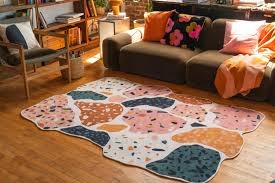
Area rugs ground our furniture, add texture to cold flooring, and bring a sense of warmth to our homes. Yet, for many of us, there is a recurring frustration: the beautiful floor covering purchased only a few years ago now looks dull, faded, and tired.
In busy homes filled with children, pets, and the constant hustle of daily life, rugs are subjected to a unique set of stressors. While some level of wear is expected in any high-traffic household, the rapid loss of colour is rarely inevitable.
Here’s why your rugs lose their lustre faster than expected and how you can better preserve their beauty for years to come.
Effects Of Sunlight And Fading
The most significant, often underestimated, enemy of rug colour is ultraviolet (UV) radiation.
After all, sunlight is a powerful force, and it is a common mistake to think that direct light is the only culprit. Truth is, even filtered, indirect sunlight can cause significant photo-degradation over time.
When UV rays hit the fibres of a rug, they break down the chemical bonds in the dyes. This is essentially a slow-motion bleaching process.
In homes with large windows or conservatories, rugs placed in sun-drenched areas will inevitably fade faster than those in darker corners.
So, if you notice that your rug is losing its colour unevenly—perhaps one edge looks significantly paler than the rest—sunlight is almost certainly the cause.
You can best mitigate this damage by rotating your rugs every few months, which helps distribute exposure and ensures fading occurs uniformly rather than leaving awkward, bleached patches.
Additionally, using sheer blinds or curtains during the brightest parts of the day can block a significant portion of UV radiation without plunging your room into total darkness.
Foot Traffic And The Grime Factor
It is easy to assume that “dirt” just sits on the surface of a rug. In reality, in a busy household, dirt is a constant, grinding force.
Microscopic particles of soil, dust, and grit are tracked into the home on the soles of shoes. When these particles settle into the pile of a rug, they don’t just sit there, but they act like millions of tiny pieces of sandpaper.
Every time you walk over the rug, these grit particles are ground against the textile fibres. This constant abrasion wears down the fibres, causing them to fray. The frayed ones then scatter light differently from the smooth and intact fibres.
This phenomenon, often referred to as “traffic patterns,” creates a dull, washed-out appearance in the areas of the rug where people walk the most.
The colour isn’t necessarily gone, but rather, the texture of the surface has been compromised, causing it to reflect light in a way that makes the rug look grey and dingy.
Regular, thorough vacuuming is really important, but it is often not enough to remove the deep-seated grit that often requires professional attention.
How Improper Cleaning Habits Damage Fibres
Many homeowners, in a bid to keep their rugs looking fresh, unknowingly accelerate the degradation process through incorrect cleaning habits. There is a prevalent misconception that “more is better” when it comes to detergents and water.
Over-wetting a rug, particularly natural fibre rugs like wool or silk, can be catastrophic. If the foundation of the rug remains damp for too long, it can lead to mould, mildew, and, more importantly, colour bleeding.
Furthermore, using the wrong chemical cleaners is a common error. Household multi-purpose cleaners are often too alkaline or too acidic for rug fibres.
These harsh chemicals can strip the natural oils from wool, making it brittle and prone to breakage, or they can alter the pH balance of synthetic dyes, causing the colour to shift or fade prematurely.
Many people also scrub stains vigorously in an attempt to remove them. This mechanical action can untwist the yarn and permanently damage the pile, creating a light-reflecting “bruise” on the fabric that looks like a faded spot.
The golden rule is always to blot, never scrub, and to ensure that any cleaning product used is specifically formulated for the fibre type of your rug.
Pets And Children
In a busy home, the challenges to rug longevity are multiplied by the presence of pets and children. Both are responsible for “organic” stains that pose a unique threat to colour retention.
Pet urine, for example, is highly acidic. If not treated immediately and correctly, it can act as a dye stripper, permanently altering the colour of the rug in a matter of hours. Even if the stain is removed, the chemical alteration of the fibre often remains.
On the other hand, children bring a different set of challenges towards keeping rugs clean: from dropped food and drinks to the simple, everyday chaos of play.
Many common household spills—fruit juices, cordials, and even mud—contain natural tannins or pigments that can stain fibres if left untreated. While these aren’t always a “fading” issue in the traditional sense, they contribute to a loss of overall clarity and brightness.
In a busy home, the cumulative effect of constant micro-spills can cause the rug to lose its crisp, clean look, making the colours appear muddied and tired over time.
The Impact Of Humidity And Indoor Climate
The climate in your home plays a surprisingly large role in your rug’s lifespan. Textiles are hygroscopic, meaning they absorb moisture from the air.
In humid environments, rugs can retain moisture, which encourages the growth of microscopic fungi and bacteria.
While these might not always be visible to the naked eye, they can make the rug’s colours appear duller and eventually cause the fibres to rot.
Conversely, an overly dry indoor climate—common in homes with aggressive central heating during the British winter—can also be harmful. Natural fibres like wool rely on a certain amount of moisture to remain supple and resilient.
When the air becomes too dry, these fibres can lose their natural oils, becoming brittle and prone to snapping. A brittle fibre doesn’t hold colour as well as a supple, healthy one, leading to an overall appearance of faded, dull colour.
Maintaining a stable indoor environment, with moderate humidity levels, is a simple way to protect the integrity of your rugs.
Why Quality Matters When Choosing Rugs
Sometimes, the reason a rug loses colour is simply down to the quality of the manufacturing. Not all dyes are created equal.
High-quality rugs, particularly traditional ones, often use natural, vegetable-based dyes or high-grade synthetic dyes that are colour-fast and resistant to UV light and abrasion.
These rugs are designed to age gracefully, often developing a “patina” that adds character rather than looking faded.
In contrast, lower-cost, mass-produced rugs may be created using cheaper, fugitive dyes. These dyes are not well bonded to the fibre and will naturally fade with light exposure, foot traffic, and cleaning.
If your rug seems to lose its vibrancy remarkably quickly despite your best care, it may simply lack the structural integrity to withstand the rigours of a busy family home.
When investing in a new rug, checking for fibre density, the type of dye used, and the overall construction quality can save you a great deal of frustration in the long run.
Essential Maintenance Tips For Longevity
While you cannot stop the passage of time or the chaos of a busy home, you can significantly slow the fading process with a proactive maintenance routine.
Firstly, ensure you have quality entrance mats at every door. These act as the first line of defence, trapping the majority of the grit and soil before it ever reaches your rug.
Secondly, adopt a strict schedule for rotation and vacuuming. Vacuuming at least once a week—and more often in high-traffic areas—will remove loose grit before it can settle deep into the pile.
Remember to vacuum from different directions to lift the fibres and ensure a thorough clean.
Finally, consider professional cleaning services once a year. Professionals have access to equipment and solutions that are far more effective at deep cleaning without damaging the delicate dye structures of your rug.
For those residing in the South East, booking deep carpet and upholstery cleaning in Guildford can provide the intensive care needed to restore the vibrancy of your textiles and significantly extend their lifespan.
Conclusion
The fading of rugs is always a gradual process driven by a combination of environmental factors, mechanical wear, and chemical exposure.
When you understand the effects of each of these forces, you can better protect your rugs and increase their longevity.
Remember, all it takes is small but consistent efforts. That way, your precious floor coverings will look as radiant and welcoming as the day you first laid them out.
