

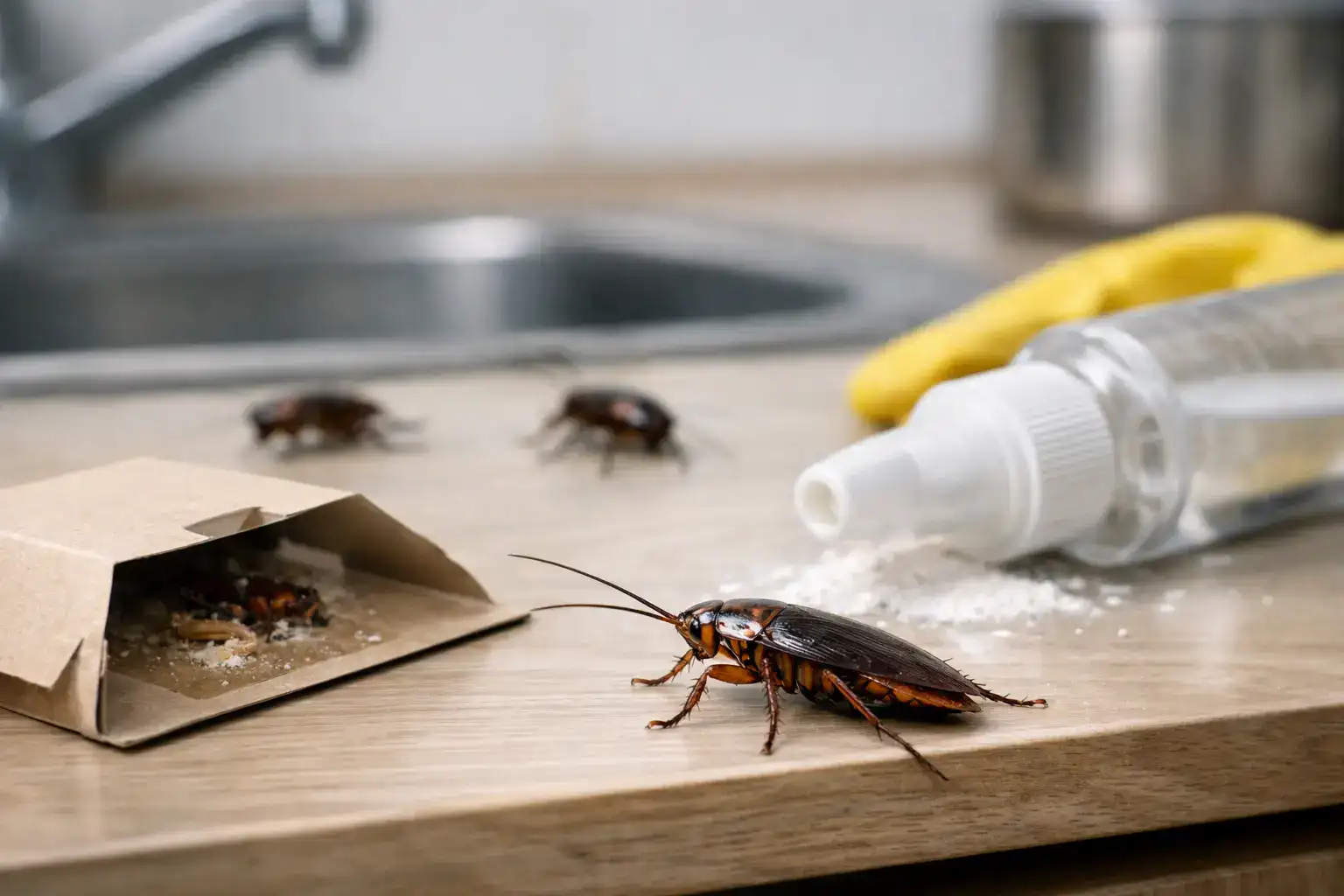
Why Cockroaches Are Hard to Remove
Cockroaches are among the most frustrating pests for homeowners and businesses. They can hide in tight spaces, move quickly, breed rapidly and survive in areas where food, warmth and moisture are available.
Many people use supermarket sprays when they see a cockroach. While these sprays may kill visible insects, they often do not address the full infestation. The cockroaches that appear in the open may represent only a small part of the problem.
In Sydney homes, apartments, restaurants, offices and commercial kitchens, cockroaches can hide behind appliances, beneath sinks, inside cupboards, around drains and within wall gaps.
Seeing One Cockroach May Mean More Are Hidden
Cockroaches are usually nocturnal. If they are seen during the day, it may indicate overcrowding, disturbed hiding areas or a larger infestation.
Even if only one or two cockroaches are visible, others may be hiding nearby. Egg cases and young cockroaches may also be present.
This is why repeated sightings should not be ignored.
Food Sources Keep Cockroaches Active
Cockroaches are attracted to crumbs, grease, food scraps, pet food, rubbish and spills. They need only small amounts of food to survive.
Kitchen areas are common hotspots because food and moisture are often readily available. Even small crumbs beneath appliances or grease behind cooking areas can support ongoing activity.
Good cleaning helps, but it may not be enough if cockroaches are already nesting in hidden areas.
Moisture Makes Infestations Worse
Cockroaches often gather around sources of moisture. Leaking pipes, wet cupboards, condensation, drains and damp areas can make a property more attractive to them.
Bathrooms, laundries, kitchens and bin storage areas are common locations for activity.
Repairing leaks and improving ventilation can help reduce the conditions that support cockroach activity.
DIY Sprays Often Miss the Nesting Areas
Surface sprays usually target visible cockroaches. The problem is that cockroaches often hide deep inside cracks, wall gaps, appliances and cabinetry.
If harbourage areas and breeding sites are not treated properly, the problem can return quickly.
Some DIY sprays may also scatter cockroaches into new areas, making the infestation more difficult to manage.
Cockroach Eggs Can Survive
Cockroach egg cases can contain multiple young cockroaches, depending on the species. If egg cases are not addressed, new activity may appear even after adult cockroaches have been killed.
This is one reason infestations may seem to disappear briefly before returning.
Professional treatment considers the cockroach life cycle, harbourage points and the need for follow-up control, rather than targeting only visible insects.
Businesses Need to Act Quickly
For cafes, restaurants, shops and food-related businesses, cockroach activity can affect hygiene, reputation and regulatory compliance. Even a small issue can become serious if it is allowed to spread.
Commercial properties should not wait until customers or staff notice activity. Regular monitoring and early treatment can help prevent a larger infestation.
Warning Signs to Watch For
Common signs of cockroach activity include live cockroaches, droppings, egg cases, shed skins, unpleasant odours, smear marks and activity near food or water sources.
Droppings may look like small, dark specks and can appear in cupboards, drawers, behind refrigerators or along wall and cabinet edges.
Any repeated sign of cockroach activity should be investigated properly.
When Professional Treatment Helps
Professional cockroach treatment usually involves identifying the species, locating harbourage areas, treating cracks and hidden spaces, advising on food and moisture control and monitoring ongoing activity.
If cockroaches continue to appear after cleaning and DIY treatments, arranging Cockroach Pest Control Sydney can help target the source of the infestation more effectively.
How to Reduce Future Cockroach Problems
Prevention includes storing food in sealed containers, wiping benchtops, cleaning behind appliances, sealing cracks, repairing leaks, emptying bins regularly and reducing clutter.
In apartments and shared buildings, cockroach activity may also come from neighbouring units, common areas or waste rooms, so ongoing prevention and coordinated management may be necessary.
Final Thoughts
Cockroaches often return after DIY sprays because the underlying cause has not been addressed. Hidden harbourage areas, egg cases, food sources, moisture and structural gaps can all allow the infestation to continue.
A practical approach combines appropriate treatment, thorough cleaning, moisture control and prevention. Acting early can help stop a small problem from developing into a larger infestation.
