

Backyard greenhouses and community garden structures in Vancouver take a beating from the weather. Whether a stray football or a winter storm caused the damage, broken panels are a common problem that you will need to fix quickly to protect your plants. You can easily do this job yourself if you know how to prepare.
How to Measure Your Broken Panel
Before you order any materials, you must get the exact dimensions of the empty space. Don’t simply measure the broken pieces that fell out, because you might miss the extra millimetres that sit inside the frame channels. Instead, measure the opening from the inside of one groove to the inside of the opposite groove.
Subtract about two to three millimetres from your final width and height measurements. This small gap allows the new panel to expand and contract as temperatures change throughout the year without bowing or cracking. Make sure to check the thickness of your existing panels as well, as frames are designed for specific depths like three or four millimetres.
The Best Material for Vancouver Gardens
Choosing the right material affects how much light your plants receive and how long the structure lasts. Traditional glass looks excellent and offers high light transmission, but it breaks easily and offers poor insulation. Horticultural glass is cheap but breaks into dangerous shards, while toughened glass is safer but much more expensive.
Polycarbonate is highly durable and virtually unbreakable, making it ideal if you have kids or pets playing nearby. It also retains heat well during cool spring nights. However, standard polycarbonate can scratch easily and loses its clarity over time, which reduces the amount of sunlight that reaches your crops.
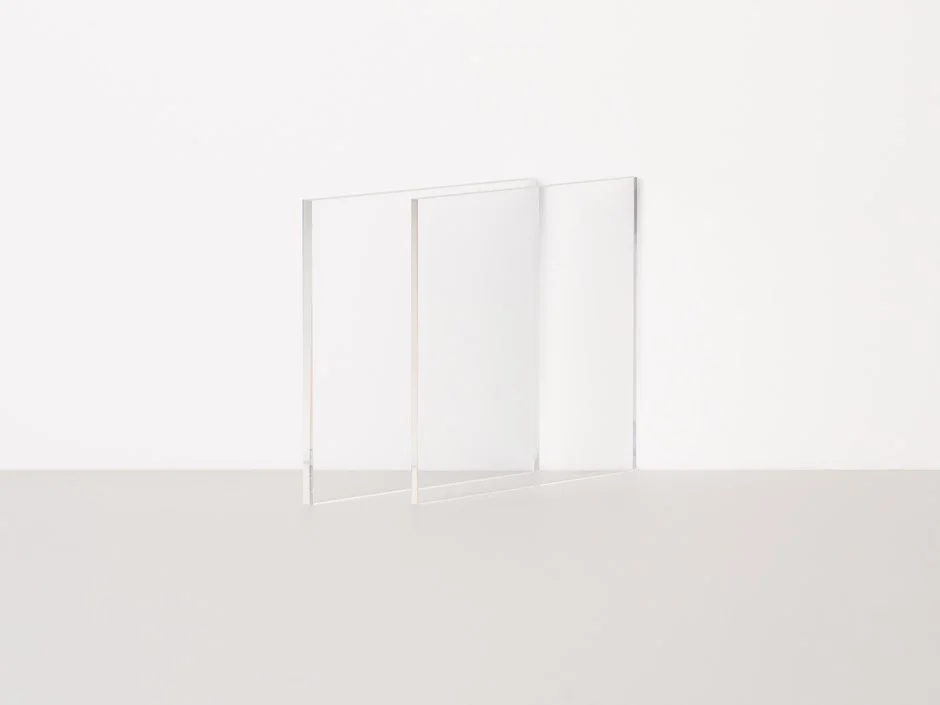
Acrylic offers a brilliant middle ground because it has the clarity of glass but is ten times stronger. It transmits up to 92% of light, which is actually better than many types of glass. If you choose this option, you should invest in a UV-resistant clear acrylic sheet to ensure your new window remains completely clear and strong for decades.
How UV Radiation Affects Vancouver Greenhouses
Many gardeners assume that Vancouver’s cloudy weather means UV damage isn’t a threat. In reality, overcast skies still let a high level of UV radiation pass through. This constant exposure slowly degrades cheap plastic sheets, causing them to turn yellow and become brittle after only two summers.
Once a panel yellows, it blocks the specific blue and red light wavelengths that your plants need to grow. When you buy your replacement, look for materials that have built-in UV stabilisers. These additives prevent the plastic from breaking down, ensuring that your greenhouse stays bright and warm for years.
How to Fit Your Replacement Panel Safely
Fitting the new panel is an easy task if you have the right tools. First, clear out any old glazing clips, broken glass, and dried-up putty from the frame. Wipe the channels clean so the new panel can sit flush against the metal or wood.
If you are using acrylic or polycarbonate, peel back the protective film only a few inches around the edges before sliding it into place. This keeps the face of the sheet clean while you work. Secure the panel using stainless steel glazing clips, which will prevent rust in the damp local climate. You can finish the edges with a high-quality silicone sealant to keep out draughts and moisture.
A Durable Structure for Better Harvests
Replacing a broken greenhouse panel is a simple weekend task that saves your plants from sudden temperature drops. By taking accurate measurements and choosing durable, UV-protected materials, you can build a structure that stands up to local weather. Your plants will reward you with a healthier, more abundant harvest when they get the consistent light and warmth they need.
