

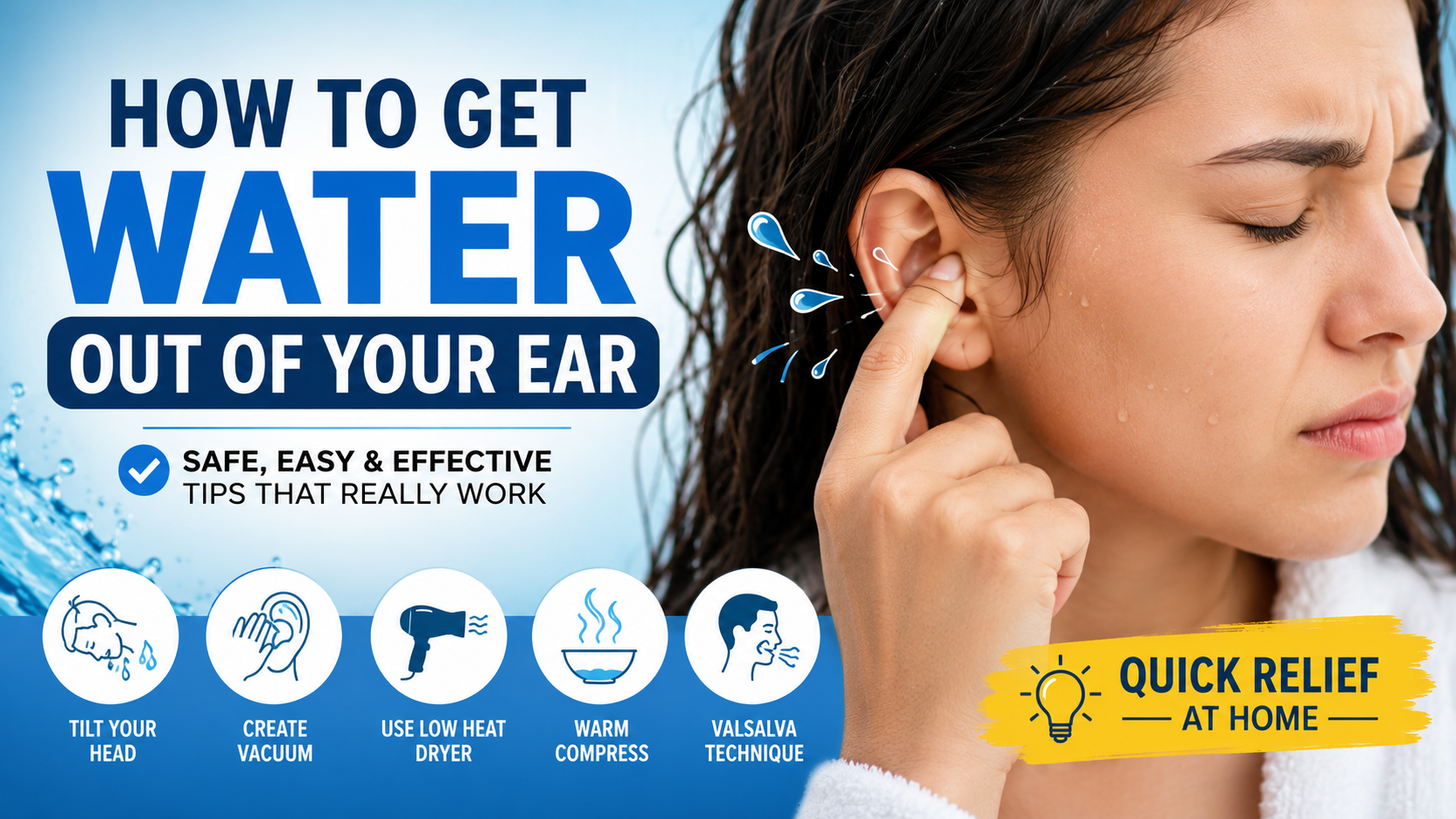
Getting water trapped in your ear can be annoying, uncomfortable, and sometimes even painful. Whether it happens after swimming, showering, or washing your hair, knowing how to get water out of your ear quickly can help prevent irritation and reduce the risk of infection.
Most cases are harmless and easy to fix at home. The key is using safe methods that help the water drain naturally without damaging your ear canal.
In this guide, you’ll learn exactly how to get water out of your ear, what methods work best, what to avoid, and when it’s time to see a doctor.
Why Water Gets Stuck in Your Ear
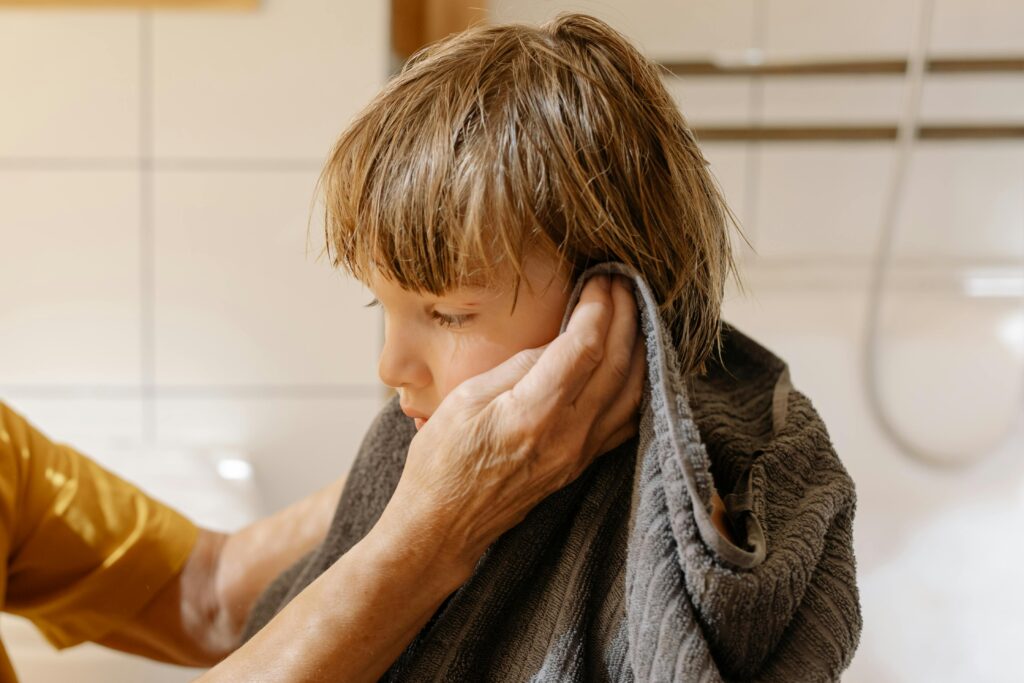
Water can become trapped inside the ear canal when it doesn’t drain properly after exposure to water. Some people naturally have narrower ear canals, making them more likely to experience this problem.
Swimming, diving, showering, and even heavy sweating can leave moisture behind. Once trapped, the water may create a blocked sensation, muffled hearing, or a feeling that something is moving inside the ear.
As the saying goes, “A small problem becomes a bigger one when ignored.” Trapped water may seem minor, but leaving it there for too long can sometimes lead to swimmer’s ear.
Common Signs of Water Trapped in the Ear
If you’re wondering whether you need to learn how to get water out of your ear, look for these common symptoms:
- A clogged or blocked feeling
- Muffled hearing
- Crackling or popping sounds
- Mild discomfort
- A sensation of water moving inside the ear
- Temporary hearing reduction
These symptoms often appear immediately after swimming or bathing.
How to Get Water Out of Your Ear Safely
1. Tilt Your Head and Let Gravity Help
One of the easiest ways to learn how to get water out of your ear is by using gravity.
Tilt your head toward the affected side and gently pull your earlobe. This helps straighten the ear canal and encourages the trapped water to drain naturally.
You can also hop lightly on one foot while keeping your head tilted. Many swimmers use this simple trick successfully.
2. Create a Vacuum With Your Palm
Place the palm of your hand firmly over the affected ear.
Press gently and release several times while keeping your head tilted. This creates a slight vacuum effect that can help loosen trapped water.
After a few attempts, tilt your head and allow the water to drain.
3. Use the Valsalva Maneuver
Close your mouth and pinch your nostrils shut.
Gently blow air through your nose while keeping it pinched. This technique can help open the Eustachian tubes and relieve pressure that may be trapping water.
Be careful not to blow too hard, as excessive pressure can damage the ear.
4. Lie on Your Side
Sometimes the simplest solution is the most effective.
Lie down with the affected ear facing the floor. Stay in this position for several minutes and allow gravity to do the work.
Many people find that water drains naturally while resting this way.
5. Use a Warm Compress
A warm compress may help relax the ear canal and encourage drainage.
Soak a clean cloth in warm water, wring it out, and place it against the affected ear for about 30 seconds.
Repeat this process several times. The warmth can help loosen trapped moisture.
6. Try Steam Inhalation
Steam can help open passages connected to the ear.
Fill a bowl with hot water and carefully inhale the steam while covering your head with a towel. Alternatively, take a warm shower.
The moisture and heat may help trapped water move out more easily.
7. Use a Hair Dryer on Low Heat
A hair dryer can help evaporate trapped moisture.
Set the dryer to the lowest heat and fan setting. Hold it several inches away from your ear while gently pulling your earlobe.
Move the dryer back and forth instead of concentrating heat on one spot.
This method is often recommended when learning how to get water out of your ear after swimming.
What Not to Do
When trying how to get water out of your ear, some common mistakes can make the problem worse.
Avoid:
- Inserting cotton swabs into your ear
- Using sharp objects
- Sticking fingers deep into the ear canal
- Pouring unknown liquids into the ear
- Applying excessive pressure
Cotton swabs often push water and earwax deeper instead of removing them.
A useful rule is: “If it goes deeper than your fingertip can safely reach, it probably shouldn’t be there.”
Can Ear Drops Help?
Over-the-counter drying ear drops can sometimes help remove trapped water.
These products usually contain alcohol-based ingredients that encourage evaporation.
They may be useful for swimmers who frequently experience trapped water, but they should not be used if you have:
- A perforated eardrum
- Ear tubes
- Ear infections
- Recent ear surgery
Always follow the product instructions carefully.
Natural Ways to Help Prevent Water Trapping
Preventing the problem is often easier than figuring out how to get water out of your ear later.
Consider these habits:
- Dry ears thoroughly after swimming
- Use a towel immediately after bathing
- Wear swim earplugs
- Use a swim cap
- Tilt your head after water exposure
- Avoid excessive earwax buildup
Small preventive steps can save a lot of discomfort.
Why Some People Experience It More Often
Not everyone gets water trapped in their ears equally.
Several factors increase the likelihood:
- Narrow ear canals
- Excess earwax
- Frequent swimming
- Ear canal shape
- History of ear infections
Competitive swimmers and people who spend a lot of time in water often deal with this issue regularly.
How Long Does Water Stay Trapped?
In many cases, trapped water drains naturally within a few minutes or hours.
Sometimes it may remain for a day or two before clearing completely.
If symptoms persist beyond several days, it could indicate another issue such as wax blockage or infection rather than simple trapped water.
When Trapped Water Leads to Swimmer’s Ear
Water left inside the ear creates a moist environment where bacteria can grow.
This can lead to a condition called swimmer’s ear, an infection of the outer ear canal.
Warning signs include:
- Increasing pain
- Redness
- Swelling
- Itching
- Fluid drainage
- Hearing problems
If these symptoms appear, medical attention may be necessary.
When to See a Doctor
Most cases resolve on their own, but professional evaluation is recommended if:
- Water remains trapped for several days
- Ear pain develops
- Hearing loss worsens
- You notice discharge
- Fever occurs
- Home remedies do not help
A healthcare provider can safely remove blockages and check for infection.
Frequently Asked Questions
Can water stay trapped in the ear for days?
Yes. While many cases clear quickly, trapped water can sometimes remain for several days, especially if earwax or swelling blocks drainage.
Is trapped water dangerous?
Usually not. However, prolonged moisture can increase the risk of infection if left untreated.
Can I use cotton swabs?
No. Cotton swabs often push debris deeper and may irritate the ear canal.
Does sleeping help drain water?
Yes. Sleeping on the affected side may allow gravity to help water leave the ear naturally.
Can a hair dryer remove water?
A hair dryer on the lowest heat and fan settings can help evaporate moisture safely when used correctly.
Final Thoughts
Knowing how to get water out of your ear can save you from unnecessary discomfort and prevent potential ear problems. In most situations, simple techniques like tilting your head, lying on your side, using a warm compress, or creating gentle suction with your palm are enough to solve the problem.
Remember that your ears are delicate. Safe methods work best, while aggressive approaches often create more issues than they solve. If trapped water doesn’t clear or symptoms become painful, seek medical advice promptly.
The next time water gets stuck after a swim or shower, you’ll know exactly how to get water out of your ear quickly, safely, and effectively.
Also Read: Orbital Magaine
