

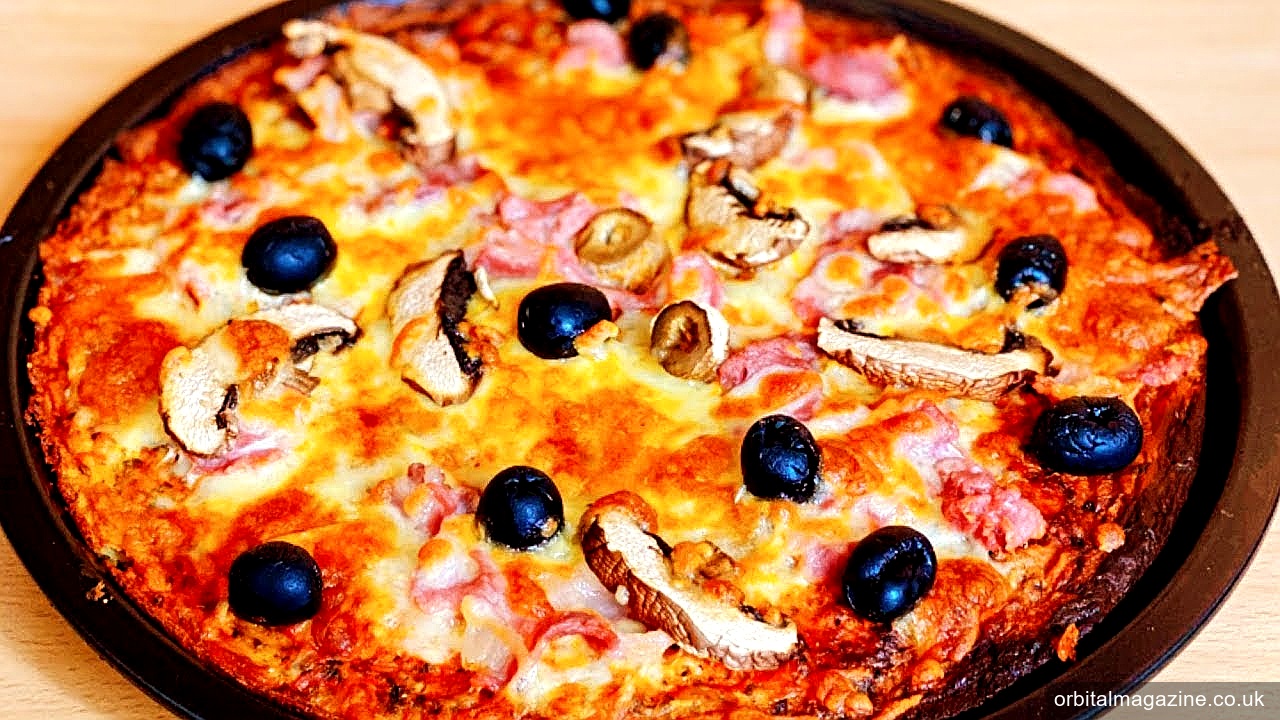
Understanding Fainá and Pizza: The Ultimate Culinary Fusion
If you have ever traveled through Buenos Aires or Montevideo, or frequented an authentic South American bakery, you have likely encountered the irresistible pairing of hot pizza and fainá. Fainá is a savory, thin flatbread crafted primarily from chickpea flour, water, olive oil, and seasonings. Originally derived from the Ligurian farinata in northern Italy, this simple yet deeply satisfying dish migrated across the Atlantic during the late nineteenth and early twentieth centuries alongside wave after wave of Italian immigrants. Once it arrived in the Rio de la Plata region, local bakers combined this crisp chickpea cake with classic melted-cheese pizza, giving birth to a legendary street-food custom known locally as “pizza a caballo,” or pizza on horseback.
When you stack a warm, golden slice of fainá directly on top of a steaming slice of mozzarella pizza, something magical happens in every bite. The savory, slightly nut-like flavor of the garbanzo flour cuts through the rich, heavy creaminess of melted cheese and sweet tomato sauce, creating an extraordinary harmony of textures and tastes. Food lovers across North America are increasingly catching on to this magnificent combination, seeking out specialized artisanal pizzerias that recreate this authentic South American tradition. Whether you are already a devoted fan of Rioplatense cuisine or a curious foodie looking for your next obsession, discovering the best faina with pizza near me becomes an exciting priority for food enthusiasts who appreciate rich cultural history combined with comforting culinary excellence.
The beauty of pairing fainá with pizza lies in its humble origins and remarkably sophisticated end result. Chickpea flour provides a dense, nutrient-rich base that carries seasonings like fresh ground black pepper, sea salt, and aromatic rosemary remarkably well. In traditional establishments, fainá is baked in massive, shallow copper pans inside high-heat wood-fired ovens, producing a blistered, golden-brown crust with a soft, custard-like center. When served atop pizza, the heat from the slice slightly softens the underbelly of the fainá, while its outer edges retain a satisfying, subtle crunch. This unique dynamic transforms a quick slice of pizza into a complete, deeply satisfying feast that satisfies both comfort cravings and culinary curiosity.
The Flavor Profile and Texture: Why Fainá and Pizza Work So Well Together
To truly appreciate this pairing, one must understand the complex interplay between the ingredients. Mozzarella pizza offers a delightfully gooey, rich, and acidic profile thanks to its melted cheese and seasoned tomato sauce. On its own, a heavy slice of cheese pizza can sometimes overpower the palate with fat and acidity. Fainá acts as the ultimate balancing element. Made from chickpea flour, high-quality extra virgin olive oil, and water, it provides a warm, nutty, earthy flavor that absorbs excess oil from the cheese while adding a hearty grain-like substance without adding gluten or extra yeast dough. The contrast between the pillowy pizza crust and the firm, creamy chickpea texture makes every bite multi-dimensional.
Furthermore, the seasoning on the fainá elevates the entire meal. Master pizza makers often dust their fainá generously with freshly cracked black pepper or oregano right as it exits the blistering oven. When searching for local culinary gems, checking reviews on top-rated South American pizzerias will lead you directly to pizzerias that respect these centuries-old baking methods. When searching for the best faina with pizza near me, you are looking for that magical balance where the chickpea flatbread is neither too dry nor too mushy, boasting a caramelized crust that stands up against the decadent mozzarella underneath.
Another key factor in why this combination has earned a loyal global following is its incredible satisfying factor. Chickpeas are loaded with plant-based protein and dietary fiber, which means adding a slice of fainá on top of pizza makes the meal far more filling and sustained in energy output than eating pizza alone. It turns a quick slice on the go into a slow-digesting, deeply nourishing dish. The rustic simplicity of chickpea batter combined with the comforting warmth of oven-baked pizza creates an addictive taste profile that leaves an indelible impression on anyone fortunate enough to try it prepared by skilled hands.
Where to Find Authentic Fainá with Pizza Across Major Metros
Finding a pizzeria that offers genuine fainá alongside traditional pizza requires a bit of insider knowledge, as it is not typically found in standard American delivery chains. Major metropolitan areas with vibrant Latin American, Argentine, Uruguayan, or Italian populations are prime territory for this dish. For instance, across New York City—especially in neighborhoods like Chelsea and East Village—boutique bakeries, pasta bars, and specialized pizzerias like Di Farina and Farina Di Vita frequently highlight regional Italian and South American classics. Similarly, in South Florida hubs such as Pompano Beach and Miami, eateries like Los Olivos Bistro and Bariloche Gourmet serve authentic fainá alongside wood-fired pizza to enthusiastic crowds.
Because fainá requires specific preparation techniques and specialized copper baking trays (known as faineras), establishments that serve it usually take immense pride in their craft. They do not treat fainá as an afterthought; rather, it is baked fresh multiple times a day to ensure the texture remains ideal. When tracking down the best faina with pizza near me, tracking down local neighborhood pizzerias, Uruguayan bakeries, or Argentine empanada shops often yields the most rewarding results. These venues maintain traditional wood-fired deck temperatures, allowing the chickpea flatbread to achieve its iconic crisp exterior and silky, tender middle.
If you live outside major metropolitan centers, searching for specialty South American bistros or modern artisanal pizza kitchens is your best route. Many modern pizzaiolos who study historic global pizza styles are incorporating fainá into their menus as a rustic, gluten-friendly side option or classic topping. By keeping an eye out for places that feature wood-burning ovens, imported Italian chickpea flour, and traditional Latin American menu sections, you will significantly increase your chances of locating an authentic, hot-from-the-oven slice of fainá resting comfortably atop a fresh pizza slice.
How to Identify Truly Exceptional Fainá at Your Local Pizzeria
Not all fainá is created equal, and discerning food lovers know precisely what characteristics mark a truly superior slice. The hallmark of exceptional fainá is its thickness and moisture content. A slice that is too thick can easily become pasty, heavy, and raw-tasting in the center, while a slice that is too thin will turn into a brittle, burnt cracker. The ideal fainá measures roughly one-quarter of an inch in thickness, displaying a rich golden-yellow color inside with attractive brown caramelization flecks along the top and bottom surfaces. It should yield gently to the fork or bite, offering a silky creaminess that mirrors a well-made polenta or frittata.
The quality of the ingredients used plays a paramount role in the final flavor profile. Superior pizzerias use finely ground, high-protein chickpea flour mixed thoroughly with water and allowed to rest for several hours before baking. This soaking period is critical because it hydratess the flour particles completely, eliminating any unpleasant raw bean taste and producing a smooth batter. Furthermore, generous amounts of top-grade extra virgin olive oil must be used both in the batter and to line the heavy metal pan. Identifying the best faina with pizza near me requires knowing what sets authentic chickpea flatbread apart: a fragrant olive oil aroma, vibrant pepper seasoning, and a golden blistered finish.
When served together, the temp and freshness of both components determine the success of the meal. Authentic pizzerias will never serve fainá cold or microwave it, as microwaving destroys the delicate crispness of the bottom crust and makes the interior rubbery. Instead, the fainá slice should be gently warmed in the deck oven alongside the pizza slice so that both elements reach the table piping hot. The cheese on the pizza should be glistening and melted, providing a warm bed that binds the chickpea slice tightly to the dough, creating a single, cohesive bite that showcases true culinary mastery.
Pairing Ideas and Customizing Your Fainá and Pizza Experience
While the classic way to enjoy fainá is atop a traditional mozzarella and tomato pizza (often called a muzzarella slice in Argentina), there are endless delicious ways to customize your order. One of the absolute greatest pairings is placing fainá over a slice of Fugazzeta—a iconic Argentine-style stuffed pizza loaded with sweet caramelized onions, oregano, and overflowing melted cheese. The savory sweetness of cooked onions combined with the sharp note of cracked black pepper on the chickpea flatbread creates an unbelievable flavor experience that rivals any classic Italian dish.
For those who love exploring diverse dining options and rich regional food experiences across various cultural traditions, pairing fainá with spicy or garlic-forward pizza styles is another fantastic option. A slice of fainá resting over a pepperoni, garlic, or spicy calabrese sausage pizza helps soften the aggressive heat while adding a wonderful nuttiness to the savory meat juices. Discovering the best faina with pizza near me allows you to sample a rich cross-cultural tradition that showcases how simple pantry staples like chickpea flour can transform an everyday pizza night into something extraordinary.
To complement the meal, traditionalists often pair pizza and fainá with a cold glass of draft lager, a light red wine like Malbec, or a glass of sweet Moscato wine. The sweet crispness of Moscato cuts through the richness of the cheese and chickpea flour, providing a refreshing contrast that clears the palate between bites. Whether you opt for a traditional pairing or create your own custom slice combination, taking the time to explore this historic culinary duo will broaden your food horizons and provide a deeply satisfying dining experience.
Pro Tips for Ordering Takeout or Making Fainá with Pizza at Home
If you plan to order fainá and pizza for takeout or delivery, a few simple reheating strategies will ensure your meal tastes just as amazing at home as it does fresh from the pizzeria oven. When takeout pizza and fainá travel in a closed box, steam can collect inside, softening the crispy bottom crust of the fainá. To restore its original texture, preheat your home oven or toaster oven to 425°F (220°C). Place the pizza slice on a wire rack or hot baking sheet, lay the fainá slice directly on top, and heat for 3 to 5 minutes until the cheese bubbles and the edges of the fainá regain their satisfying crunch.
For adventurous home cooks who may not have a specialized pizzeria nearby, making fainá from scratch at home is surprisingly straightforward and incredibly rewarding. All you need is high-quality chickpea flour (often sold as garbanzo bean flour or besan), water, extra virgin olive oil, salt, and coarse black pepper. Whisk equal parts by weight of chickpea flour and warm water together until smooth, let the batter rest on the counter for at least two to three hours to hydrate, skim off any foam, and stir in a generous splash of olive oil and salt. Pour the thin batter into a well-oiled cast-iron skillet and bake at high heat (450°F or higher) until golden and blistered.
Once your homemade fainá comes out of the oven, simply slice it into wedges and place it right on top of a hot slice of your favorite store-bought or home-baked pizza. Cracking extra black pepper over the top completes the experience. Whether you choose to bake it in your own kitchen or track down an authentic local South American spot, finding the best faina with pizza near me delivers an unmatched culinary journey right to your table, combining history, texture, and magnificent flavor in every single bite.
