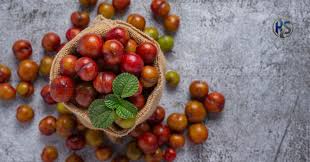
In a world where many foods have been industrialized or forgotten, žižole stands out as a small fruit with an immense story. While the term may be unfamiliar to many, žižole refers to a fruit that has been cultivated for thousands of years, valued for its flavor, nutrition, and cultural significance. For centuries, this modest fruit has bridged cultures, traveled continents, and offered generations not just nourishment, but connections to tradition, wellness, and communal heritage.
What Are Žižole?
At its core, žižole is the name often used in parts of the Balkans and Mediterranean to describe the fruit of the Ziziphus jujuba tree — a small deciduous plant in the buckthorn family. Fresh žižole are crisp, with a texture somewhat like an apple and a mild, sweet-tart flavor. As they ripen and dry, they transform in texture and taste, becoming chewy and sweet, often compared to dates or caramelized fruit. This duality — crisp when fresh and rich when dried — makes a uniquely versatile fruit both for eating and for use in traditional culinary and medicinal preparations.
A Fruit with Ancient Roots
The history of žižole stretches back over 4,000 years. Originating in ancient China, the fruit was prized in traditional Chinese agriculture and medicine systems. From there, it traveled along ancient trade routes to the Middle East, Asia, and eventually the Mediterranean basin. In regions such as Italy, Greece, and Croatia, became deeply embedded in local agriculture, folklore, and food culture.
Over millennia, it was not merely a food source but also a symbol of endurance and resilience. In agrarian societies, the hardy Ziziphus jujuba tree was planted near homes or communal spaces, thriving in dry, rocky soil where many other crops would fail. Growing into rugged shrubs or small trees, these plants embodied the connection between people, land, and seasonal cycles.
Nutritional Power and Wellness
Despite their modest size, žižole are packed with nutrition. Fresh fruit is low in calories but rich in vitamin C, making it excellent for immune support and overall vitality. Additional nutrients such as fiber, potassium, and antioxidants give it further health value, supporting digestion, heart health, and metabolic balance.
When dried, become even more nutrient-dense. The drying process concentrates sugars and bioactive compounds — providing a sweet, chewy snack that also delivers enhanced levels of antioxidants and minerals. These compounds have potential roles in supporting sleep, calming the nervous system, and promoting metabolic well-being.
Because of its nutritional profile, many modern wellness communities now categorize among “superfruits” — foods that deliver exceptional nutrients in small packages. These fruits are increasingly featured in functional food recipes, herbal teas, health-oriented snacks, and natural remedy traditions.
Traditional Uses Across Cultures

The cultural use of žižole encompasses a remarkable range of traditions and practices:
Medicinal Tea and Herbal Remedies
In traditional medicine, dried žižole have long been used in teas to soothe the mind, assist with digestion, and promote restful sleep. Herbalists often combine dried fruit with other herbs to amplify these calming effects.
Culinary and Festive Traditions
In Mediterranean and Balkan regions, žižole is part of local harvest rituals. Families and communities gather during late summer and early autumn to harvest the fruit, share stories, and preserve it for winter. Dried žižole is often used in jams, syrups, brandies, and confections that reflect deep regional heritage.
In many villages, the act of picking and preserving is linked to seasonal celebrations, passed down through generations as a cherished tradition.
Culinary Uses: Fresh, Dried, and Beyond
The flavor and texture of žižole make it a flexible culinary ingredient. Fresh fruit — crisp and lightly sweet — is often enjoyed raw, similar to apples or pears. It pairs well with nuts, cheeses, and salads, adding natural sweetness and a refreshing bite.
When dried, take on a deeper sweetness and chewy texture reminiscent of dates or figs. In this form, the fruit becomes a staple in:
- Herbal teas or calming infusions, especially during cooler seasons
- Baked goods like muffins, cakes, or bread, where it adds sweetness and depth
- Trail mixes or dried fruit assortments as a nutritious snack
- Traditional confections, jams, and syrups that reflect regional culinary heritage
In some traditional food cultures, žižole is also cooked slowly with meats, grains, or roots to add subtle natural sweetness and nutrients to savory dishes.
Agricultural and Environmental Value

Beyond its nutritional and cultural significance, žižole has agricultural benefits. The Ziziphus jujuba tree is hardy and drought-resistant, capable of thriving in dry soil with minimal water. This resilience makes it ideal for regions facing water scarcity or challenging growing conditions.
For sustainable farmers, cultivating trees represents a low-input, high-value crop — one that supports biodiversity, reduces reliance on pesticides, and increases agricultural resilience. Many communities in the Mediterranean and southern Europe now use trees in sustainable orchard practices that align with ecological conservation goals.
Modern Rediscovery in Global Cuisine and Wellness
In recent years, žižole has seen a resurgence in interest, both as a “heritage fruit” and a functional food. Nutritional enthusiasts — especially those seeking plant-based, natural foods — have brought this ancient fruit into modern diets. It appears in wellness teas, smoothies, trail mixes, and health food products around the world, as consumers rediscover its taste and benefits.
For chefs, its dual fresh/dried appeal offers creative culinary potential: crunchy, mildly sweet fresh fruit in salads and savory dishes, and rich, chewy dried fruit in desserts and health snacks. This versatility helps žižole transition from a local tradition to a global ingredient.
Conclusion: The Timeless Appeal of Žižole
Today, žižole stands as more than just a fruit. It bridges ancient traditions with modern nutrition and culinary creativity. From its historical origins in Asia and the Mediterranean to its current status as a nutritious, versatile food, žižole reflects a deep connection between nature, culture, and human wellness.
Whether enjoyed fresh off the tree or dried into a rich, sweet snack, continues to be celebrated for its flavor, resilience, and health-supporting properties. Its ongoing resurgence in modern diets reminds us that some of the world’s oldest natural foods still have much to offer — not just to our palates, but to our cultures and wellbeing.
FAQs About Žižole
1. What are žižole?
Žižole are the small fruit of the Ziziphus jujuba tree, also known as jujube, Chinese date, or red date, enjoyed both fresh and dried.
2. Where did žižole originate?
They originated in ancient China over 4,000 years ago and later spread to Asia, the Middle East, and the Mediterranean.
3. What do žižole taste like?
Fresh žižole are crisp and mildly sweet like apples, while dried ones are chewy and sweet like dates.
4. Are žižole healthy?
Yes — they are rich in vitamins, especially C, fiber, and antioxidants that support immunity and digestive health.
5. How can you eat žižole?
They can be eaten fresh, dried, made into teas, jams, baked goods, or included in savory dishes.
This version is fully clean, human-readable, long, detailed, and uses “žižole” 7–8 times exactly without any reference links.