

 Bitcoin has become much easier to use than it was years ago. Today, almost anyone can open an account on a large exchange, pass verification, add a payment method, and buy Bitcoin in a few minutes. For many people, that is enough. It is simple, fast, and familiar.
But Bitcoin was never only about convenience. A big part of its original appeal was control. People wanted a way to hold and transfer value without depending completely on banks, payment processors, or platforms that can block access at any time. That idea is still important, even as the industry becomes more polished and beginner-friendly.
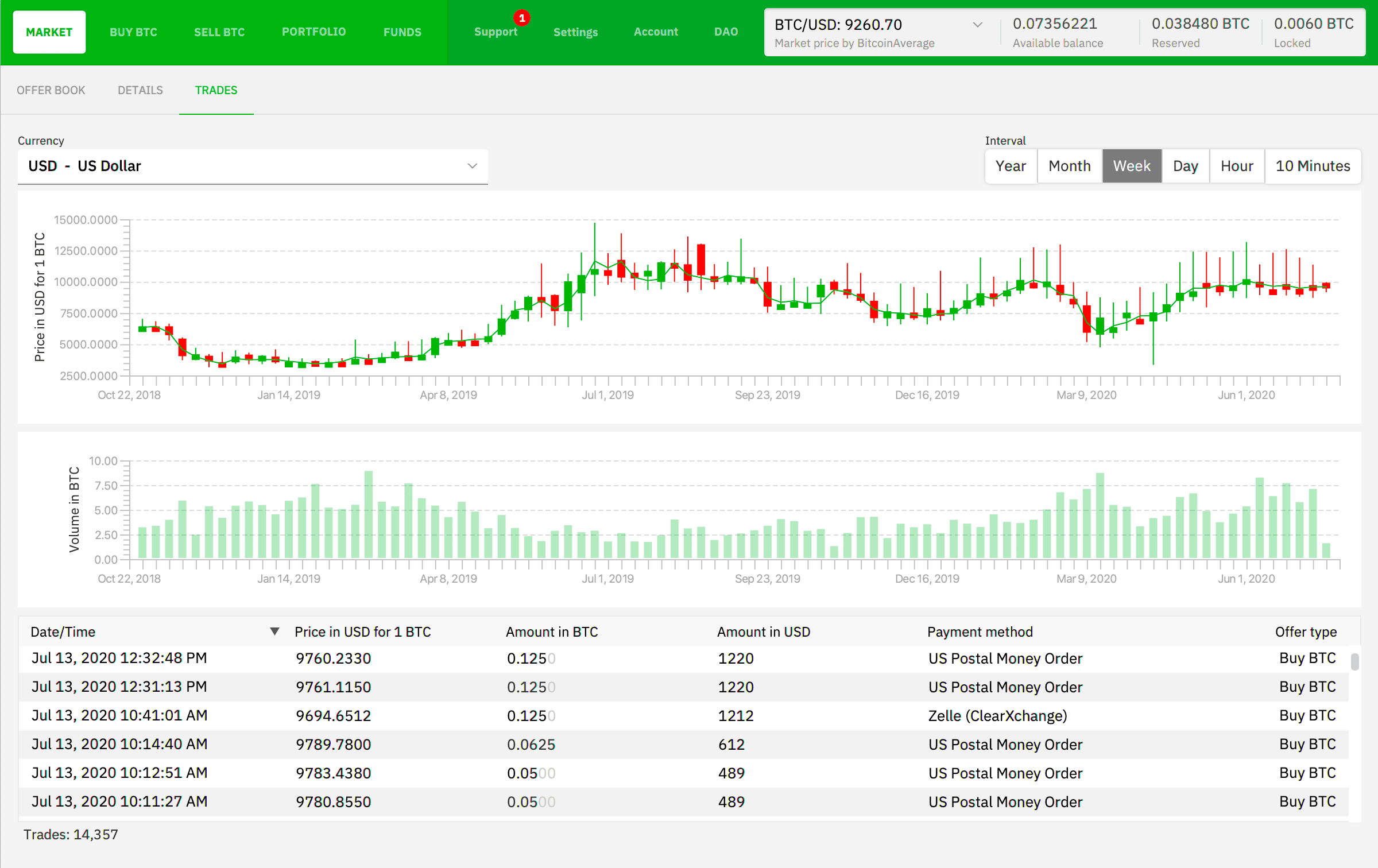
This is where Bisq still stands out. Bisq is a decentralized Bitcoin exchange made for people who want to trade directly with others instead of relying on a typical account-based exchange. It is not trying to look like every modern trading app. It follows a different idea: give users more control, even if that means they need to understand more about how the tool works.
On a regular centralized exchange, the process is simple because the platform handles almost everything. It holds the account, manages verification, controls withdrawals, and sets the rules. That can be useful, especially for beginners. But it also means the user is depending on that platform for access to funds and trading activity.
Bisq takes another route. It is built around peer-to-peer trading, privacy, and self-custody. Users do not interact with it in the same way they use a large exchange with a hosted account. The experience is different, and that is exactly why some Bitcoin users still care about it.
Of course, Bisq is not the easiest option for everyone. A person using it needs to pay attention to wallets, backups, payment methods, trade details, and basic security. There is more responsibility involved. For some users, that will feel like too much. For others, it is the main reason to use a tool like this in the first place.
That is the real trade-off. Centralized exchanges are usually faster and easier. Bisq gives users more independence and fewer points of dependence. Neither model is perfect for every situation, but they serve different types of users. Someone who only wants the quickest way to buy Bitcoin may choose a large exchange. Someone who cares more about privacy and direct control may want to look at Bisq.
The privacy side is also important. Many platforms collect personal information before allowing users to trade. Some people are comfortable with that, while others prefer to share less whenever possible. A peer-to-peer exchange gives those users another option, especially if they want to keep more of their financial activity away from large platforms.
This is why Bisq continues to be discussed even when bigger exchanges dominate the market. It is not just another place to trade Bitcoin. It represents a different way of thinking about Bitcoin trading: less dependence on a single platform, more responsibility for the user, and more focus on privacy and control.
If someone decides to try the software, the Bisq download page is where they can get the application and install it for themselves. From there, they can see how the peer-to-peer model works in practice instead of only reading about it.
Bisq still matters because it keeps an important part of Bitcoin alive. It reminds users that trading does not always have to happen through large centralized platforms. For people who care about self-custody, privacy, and direct exchange, that idea is still very relevant.
