

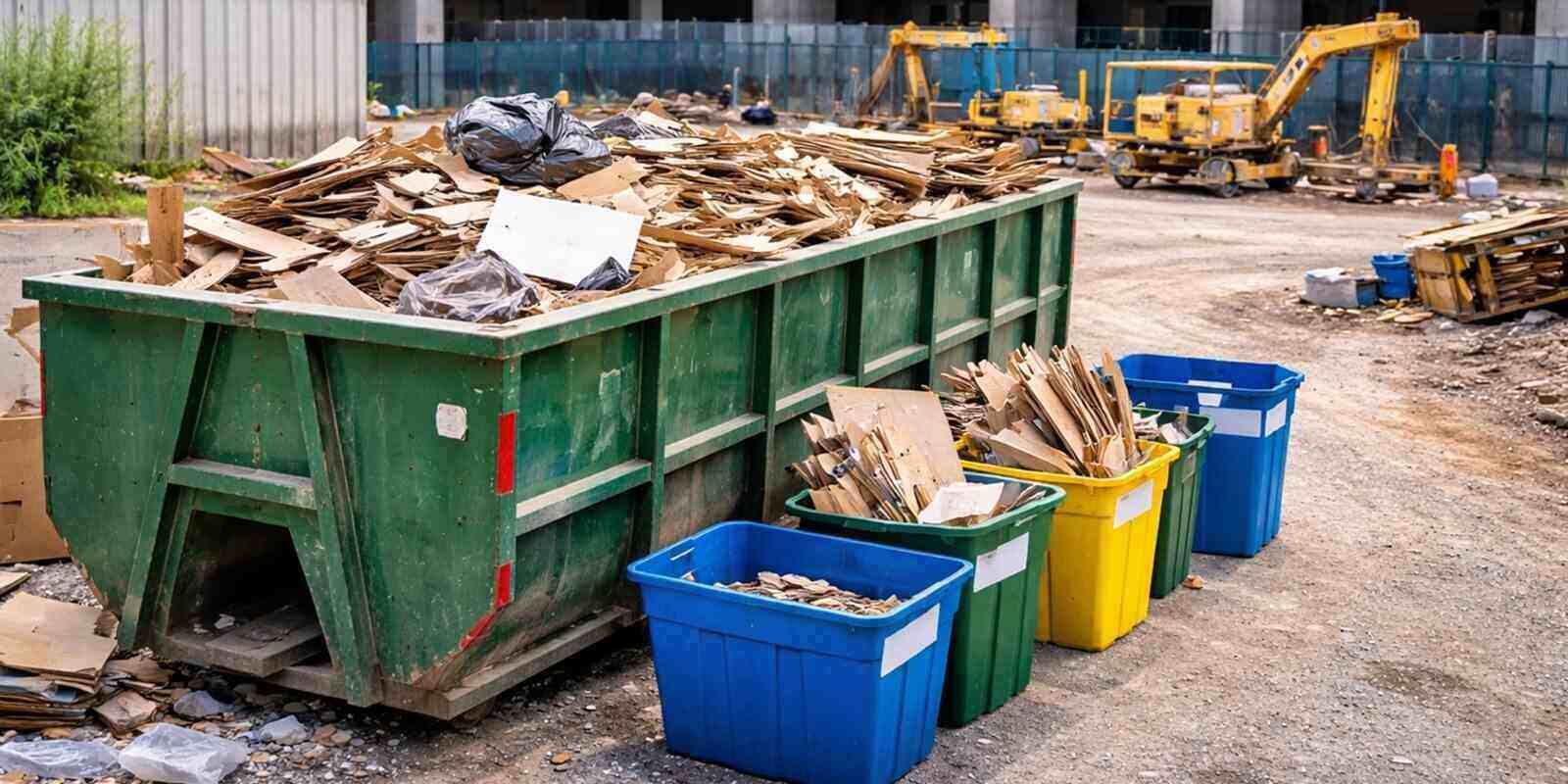
Large-scale industrial facility construction projects are among the most complex developments contractors manage. Manufacturing plants, distribution centers, processing facilities, energy infrastructure projects, and large industrial campuses require extensive site preparation, heavy equipment operations, and coordination among numerous subcontractors. Throughout every stage of these projects, debris is generated continuously and must be managed efficiently to keep construction moving forward.
Unlike smaller commercial developments, industrial builds often span dozens or even hundreds of acres, creating unique challenges for waste management. Debris generated in one section of the site may be located far from disposal areas, while multiple phases of construction may be occurring simultaneously across different zones. Without a structured debris removal plan, waste can interfere with equipment movement, reduce labor productivity, and create delays that impact the overall project schedule.
For contractors, proactive debris management is a critical operational system that supports efficiency throughout the life of the project.
Why Industrial Facility Projects Generate Massive Waste Volumes
Industrial construction projects involve a wide variety of activities that create different waste streams throughout development. Early site preparation often produces vegetation, soil, rock, concrete, and demolition debris. Structural construction generates steel packaging, pallets, framing materials, and fabrication waste.
As mechanical, electrical, and process systems are installed, additional debris accumulates from conduit, piping, insulation, packaging materials, and equipment deliveries. Interior buildout and finishing work create even more waste as crews complete offices, control rooms, and support facilities.
Because these activities frequently overlap across different sections of the site, waste generation remains constant throughout the project and requires ongoing coordination.
Developing a Waste Management Plan During Pre-Construction
Successful industrial projects begin with comprehensive planning, and debris removal should be included as part of that process. Contractors should evaluate the project timeline, anticipated waste streams, and how debris will be generated throughout each phase of construction.
Planning should include identifying disposal locations, estimating container needs, establishing haul routes, and coordinating removal schedules alongside construction milestones. Contractors should also evaluate site access and determine how waste will move efficiently across large project footprints.
Developing a detailed debris management strategy before construction begins helps reduce disruptions and supports better operational control throughout the build.
Preparation creates a stronger foundation for project success.
Coordinating Waste Removal with Construction Phases
Industrial facility projects move through several major phases, each with unique debris management requirements. Site clearing and earthwork may generate substantial organic and excavation waste, while concrete and structural phases often create large volumes of heavy debris.
Mechanical and electrical installations introduce packaging materials, pallets, conduit scraps, and equipment-related waste streams. Later finishing work generates ongoing cleanup requirements as crews complete various sections of the facility.
Contractors should align waste removal schedules with active construction phases so disposal systems keep pace with production levels. Proper coordination prevents debris from accumulating and supports smoother transitions between project stages.
Timing is critical on fast-moving industrial developments.
Managing Debris Across Expansive Construction Sites
One of the most significant challenges on industrial facility projects is the sheer size of the construction site. Workers and equipment may operate across large distances, making debris transport more time-consuming than on traditional commercial projects.
Without designated collection points and organized debris routes, crews can lose valuable time moving waste across the property. Contractors should establish strategically located disposal areas and create efficient pathways that support debris movement throughout the site.
Reducing travel distances helps improve labor productivity and keeps cleanup operations aligned with construction activities.
Organization is essential on large-scale projects.
Supporting Heavy Equipment Operations
Industrial construction sites depend heavily on large equipment such as cranes, excavators, loaders, earthmoving equipment, concrete trucks, and specialized installation machinery. Debris that accumulates near active work zones can interfere with equipment operations and reduce efficiency.
Contractors should maintain clear haul routes and staging areas throughout the project. Continuous debris removal helps preserve access for equipment operators and reduces the likelihood of congestion around critical work zones.
Efficient site organization supports safer and more productive equipment movement across the facility.
Clear access contributes directly to project performance.
Using Centralized Disposal Systems
Centralized disposal systems help maintain consistency across large industrial developments. Instead of relying on scattered debris piles or temporary staging areas, contractors can coordinate cleanup through strategically positioned containers and collection points.
Working with providers such as Waste Removal USA gives contractors access to disposal solutions designed to support the scale and complexity of major industrial construction projects. Centralized systems improve organization and simplify waste management across multiple active work zones.
This structured approach allows crews to maintain cleaner and more productive work environments throughout the build.
Managing Material Packaging and Delivery Waste
Industrial projects involve substantial material deliveries throughout construction. Structural steel, mechanical systems, electrical components, process equipment, and specialty materials often arrive heavily packaged for protection during transportation.
Pallets, crates, wrapping materials, cardboard, and protective packaging can quickly accumulate around staging areas if not removed regularly. Contractors should establish procedures for managing packaging waste as materials are delivered and installed.
Efficient handling of delivery-related debris helps keep staging areas organized and supports smoother logistics operations.
Coordinating Cleanup Across Multiple Contractors
Large industrial projects often involve dozens of subcontractors operating simultaneously. Civil crews, steel erectors, electricians, mechanical contractors, process equipment installers, and finish teams may all be working in different sections of the site at the same time.
Without standardized cleanup expectations, debris management can become inconsistent and create operational challenges throughout the facility. Contractors should establish site-wide waste management procedures and communicate expectations clearly to all subcontractors.
Consistency across trades improves organization and helps maintain efficient operations throughout the project.
Strong communication supports better coordination.
Reducing Labor Inefficiencies Through Continuous Cleanup
Repeatedly handling debris creates unnecessary labor costs and reduces productivity on industrial projects. Temporary staging piles often require workers to move the same materials multiple times before final disposal.
Continuous cleanup systems help eliminate this inefficiency by encouraging direct disposal whenever possible. Contractors who maintain steady debris flow reduce unnecessary labor and allow crews to focus on productive construction activities.
Efficient waste handling supports tighter schedules and stronger overall project performance.
Adapting to Changing Site Conditions
Industrial facility projects evolve constantly as construction progresses. Areas that initially serve as laydown yards may later become active installation zones, while new phases of work may create additional waste management requirements.
Contractors should remain flexible and adjust debris removal strategies as site conditions change. This may involve relocating containers, modifying haul routes, increasing service frequency, or expanding disposal capacity during high-production periods.
Adaptability helps maintain efficiency despite changing project demands and site layouts.
Preparation supports smoother project management.
Maintaining Professional and Organized Jobsites
Industrial facility owners, inspectors, project managers, and stakeholders often visit active construction sites throughout the project. Maintaining organized conditions helps create a more professional environment and demonstrates strong operational control.
Consistent debris removal reduces clutter, improves visibility, and supports safer work conditions across the property. Cleaner jobsites also make it easier to monitor progress and coordinate activities between contractors.
Professional site management reflects positively on the entire construction team.
Avoiding Common Industrial Waste Management Mistakes
Several common mistakes can reduce efficiency on industrial facility projects. These include underestimating waste volume, failing to coordinate disposal with project phases, and allowing debris to accumulate around equipment staging areas.
Another frequent issue is neglecting to establish designated debris pathways, which can create congestion and increase labor demands throughout the site.
Avoiding these problems requires proactive planning, continuous monitoring, and consistent communication between contractors, subcontractors, and disposal providers.
Attention to operational details improves project outcomes.
Supporting Faster and More Efficient Facility Construction
Effective debris removal planning contributes directly to smoother operations on industrial construction projects. When waste is managed properly, crews can work more efficiently, equipment access remains clear, and construction phases progress with fewer interruptions.
This leads to improved labor productivity, cleaner jobsites, and better schedule control throughout the development. Contractors who prioritize waste management are better equipped to handle the scale and complexity of industrial facility construction successfully.
Efficiency improves when waste removal is integrated into the overall construction strategy.
Planning debris removal for large-scale industrial facility builds requires a proactive and highly coordinated approach. The size of these developments, combined with continuous material movement and overlapping construction activities, creates waste management demands that must be addressed throughout every phase of the project.
By coordinating removal schedules with construction milestones, maintaining centralized disposal systems, supporting efficient debris flow, and adapting to changing site conditions, contractors can keep industrial projects organized and productive from start to finish.
When waste management is treated as a core operational function, contractors can reduce delays, improve labor efficiency, and complete industrial facility construction projects with greater consistency, organization, and operational control.
