

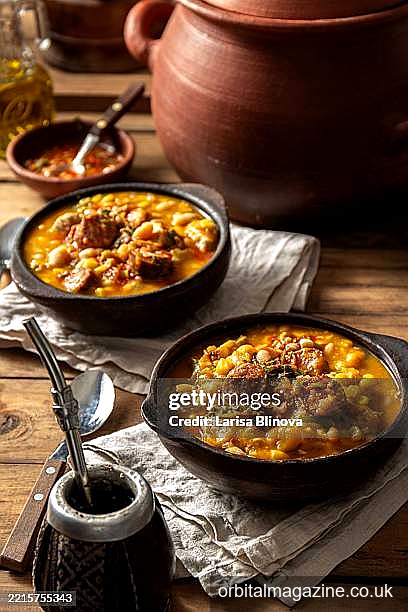
The Soulful Heritage of Argentina’s National Stew
Locro is far more than just a hearty soup; it represents the deep cultural fabric and ancient culinary traditions of the Andes and the Southern Cone. Originating in pre-Columbian times among indigenous Quechua and Aymara peoples, this comforting dish was originally created to sustain mountain communities through harsh, freezing winters using storable staples like dried corn, squash, and native tubers. As Spanish colonizers arrived in South America, they introduced European meats such as pork belly, cured sausages, and beef into the bubbling pots, transforming a rustic vegetarian grain porridge into the rich, meat-laden masterpiece enjoyed today. For food lovers exploring authentic regional gastronomy, finding the best locro argentino near me provides an unforgettable gateway into South America’s historical fusion of native ingredients and Old World culinary influences, where each spoonful delivers a balance of smoke, starch, and slow-cooked warmth.
In Argentina, locro holds an almost sacred status as the ultimate national dish reserved for major patriotic celebrations and chilly family gatherings. Every year on May 25th, commemorating the May Revolution of 1810, and July 9th, marking Argentine Independence Day, homes and traditional eateries across the country fill with the alluring aroma of simmering white corn and smoked pork. Neighborhoods come alive with pop-up stalls, local bodegones, and community centers stirring massive copper or iron cauldrons over open flames for hours. The dish brings people together, symbolizing national unity, resilience, and pride through shared comfort food. Eating a warm bowl during the South American winter months is an essential cultural ritual that connects generations of families, making the search for authentic regional recipes a cherished annual tradition for locals and travelers alike.
The geographical variation of this traditional Andean stew reveals the fascinating diversity of Argentina’s northwestern provinces, such as Salta, Jujuy, Tucumán, and Catamarca. While every family boasts its own secret hand-me-down recipe, the core philosophy remains constant: slow, patient simmering that allows every single ingredient to melt together into a cohesive, velvety body. High up in the Andes, local variations might feature specific heirloom potatoes like papa chola or dried beef jerky known as charqui, whereas lowland urban versions in Buenos Aires emphasize tender beef cuts, smoked bacon, and vibrant red chorizo. Understanding these subtle regional differences enhances your appreciation for the dish, allowing you to discern between rustic mountain-style preparations and refined urban interpretations when evaluating local menus.
Key Ingredients That Define an Authentic Locro
The magic of an authentic locro lies in its simple yet carefully selected base ingredients, which require hours of gentle cooking to achieve their signature texture. The cornerstone of the entire dish is white corn (maíz blanco) paired with dried white beans (porotos alubia), both of which must be soaked overnight before undergoing a prolonged simmering process. Equally vital is the squash or pumpkin, locally known as zapallo, which breaks down completely as it cooks. As the squash dissolves into the broth, it creates a thick, naturally sweet, golden-orange emulsion that binds the starches and fats together. Without this crucial squash breakdown, the dish loses its characteristic velvety body and transforms into a thin, watery soup rather than the thick, satisfying stew that traditional cooks strive to produce.
Protein plays an equally dramatic role in building the deep, savory depth that characterizes traditional Argentine locro. Authentic recipes layer multiple cuts of pork and beef, including beef brisket or flank, smoked bacon (panceta), red paprika-infused chorizo colorado, and gelatinous cuts such as pork trotters, ears, or rind. As these meats break down over low heat for three to four hours, their rendered fats and collagen infuse the corn and beans with intense richness. In northern regions, specialty ingredients like papa chola potatoes add extra starchiness and a distinct earthy taste that cannot be easily replicated by standard supermarket potatoes. The interplay between sweet pumpkin, starchy corn, and savory cured meats forms a complex profile that explains why searching for the best locro argentino near me on a chilly day is so immensely rewarding.
No serving of locro is truly complete without its signature finishing touch: a spicy seasoned oil sauce known as quiquirimichi or salsa frita. Served on the side or drizzled generously over the top of a steaming bowl, this vibrant red condiment is made by blooming finely chopped scallions, sweet smoked paprika (pimentón dulce), ground cumin, and crushed red chili flakes in hot oil or rendered lard. The intense, aromatic heat of the quiquirimichi cuts directly through the heavy, rich textures of the pork and corn starch, awakening the palate with a fiery bite and bright acidity. A great Argentine cook knows that the quality of the quiquirimichi can elevate a good stew into an extraordinary dining experience, making it an essential test of culinary mastery.
What to Look For When Searching for Top-Tier Locro
When evaluating local Latin American restaurants or regional Argentine spots, knowing what distinguishes an extraordinary locro from a mediocre one requires an eye for detail. First and foremost is the texture and consistency of the stew itself. An authentic locro should be dense, rich, and naturally thickened by melted squash and corn starches, never artificially adjusted with cornstarch or flour. The grains of white corn and beans should be tender enough to melt in your mouth while still retaining enough structural integrity to provide a satisfying chew. If the broth appears clear, watery, or separated, it is a clear sign that the kitchen rushed the cooking process or skipped the long hours of slow simmering required to properly meld the ingredients together.
Flavor balance is another critical benchmark for quality. A well-crafted locro achieves a seamless harmony between sweet, smoky, salty, and spicy elements. The natural sweetness of the dissolved squash must balance the salty, cured notes of the bacon and chorizo colorado, while the earthy white corn anchors the entire dish. Smoke from the meats should gently permeate the broth without overpowering the delicate grain flavors. Furthermore, high-quality preparations will showcase generous, identifiable chunks of meat alongside delicate pieces of pork rind that contribute a lush, mouth-coating texture. Observing these fine culinary nuances ensures that your search for the best locro argentino near me yields a bowl cooked with true dedication to tradition.
Presentation and dining atmosphere also play significant roles in the overall experience of enjoying traditional regional cuisine. Authentic establishments often serve their locro in hand-painted clay pots or earthenware bowls called cazuelas de barro, which retain heat exceptional well and keep the thick stew piping hot from the first bite to the last. Paired with crusty homemade bread for dipping and a side vessel of vibrant quiquirimichi, the visual presentation should feel rustic, rustic, and deeply inviting. Spotting these traditional touchpoints when reviewing local restaurant photos or visiting a neighborhood spot usually indicates that the chefs respect classical Argentine roots and take pride in serving authentic comfort food.
Iconic Dining Destinations and Regional Masters
For those fortunate enough to explore the vibrant food scene of Buenos Aires, several legendary establishments have earned national fame for their exceptional locro. Historic bodegones and regional restaurants across neighborhoods like Palermo, Belgrano, and Recoleta spend days preparing for patriotic holidays to feed thousands of hungry patrons. Premier spots such as 1810 Regional Cuisine are celebrated for their faithful adherence to northern recipes, serving rich stews packed with authentic chorizo colorado and melt-in-your-mouth beef. Similarly, Fortín Salteño in Núñez and Las Cañitas has built a loyal following by crafting rustic, deeply flavorful renditions that transport diners straight to the valleys of Salta with every bite.
Other notable Buenos Aires venues showcase unique variations that cater to diverse palates without losing their cultural soul. Establishments like La Querencia, located in Belgrano and Recoleta, present beautifully balanced versions featuring premium cuts of meat cooked alongside high-grade white corn. Meanwhile, modern culinary spaces like Vino Tinto Cocina in Palermo and historic cafes like Los Galgos offer gourmet or thoughtfully refined interpretations that highlight small-batch ingredients and artisanal sausages. Outside of Argentina, discovering the best locro argentino near me often points discerning diners toward specialized Argentine bakeries, regional empanada houses, and authentic South American bistros located in major metropolitan areas globally, where diaspora chefs preserve their grandmothers’ cherished recipes.
| Restaurant Name | Location / Neighborhood | Key Specialty Style |
|---|---|---|
| 1810 Regional Cuisine | Palermo & Belgrano, BA | Traditional Northern Argentine recipe with rich chorizo colorado |
| Fortín Salteño | Núñez & Las Cañitas, BA | Rustic Salta-style locro with slow-cooked meats |
| La Querencia | Belgrano & Recoleta, BA | Classic balanced stew served in traditional cazuelas de barro |
| Vino Tinto Cocina | Palermo, BA | Modern artisanal take with slow-simmered regional ingredients |
| El Horno del Norte | San Telmo / City Center, BA | Tucumán-style casseroles and wood-fired oven dishes |
When searching for local options in your own city, look for authentic regional spots that feature daily or weekend specials. Because locro requires several hours of slow cooking and massive batch preparations, many small, high-end South American kitchens only serve it on weekends or specific national holidays. Calling ahead or checking social media announcements from local Argentine markets and empanada shops can help you catch these limited runs when the stew is at its freshest, hottest, and most flavorful peak.
Complete the Feast: Wine Pairings and Sweet Endings
Enjoying a hearty bowl of locro is a comprehensive dining ritual that benefits greatly from thoughtfully selected beverage pairings. Given the stew’s high protein content, rich pork fats, and earthy starches, a full-bodied red wine is the traditional companion of choice. An Argentine Malbec—particularly one from the high-altitude vineyards of Mendoza or the Calchaquí Valleys—offers velvety tannins and ripe dark fruit notes that cut cleanly through the richness of the meats. Alternatively, for those who prefer a traditional northern regional pairing, a crisp, aromatic Torrontés from Salta provides a bright floral acidity that beautifully contrasts the fiery scallion kick of the quiquirimichi salsa.
After finishing a substantial meal centered around corn, meat, and squash, rounding out the dining experience with a classic dessert is essential for achieving true culinary satisfaction. Traditional Argentine meals typically conclude with sweet treats featuring rich dulce de leche, crispy fried pastelitos filled with quince paste, or simple pairings like fresh cheese with sweet potato or quince jelly known as queso y dulce. If you want to explore delightful post-meal options after enjoying your feast, seeking out the best dessert near me can lead you to local bakeries serving decadent alfajores, artisanal gelato, or rich caramel pastries that complement the savory warmth of your meal.
When ordering locro for group gatherings or family dinners, planning your order after locating the best locro argentino near me ensures that you receive generous portions alongside necessary sides. Because locro is exceptionally filling, pairing it with lightweight appetizers such as baked criollo empanadas or a simple green salad helps balance the meal. Always ask for extra containers of quiquirimichi and crusty bread to absorb every drop of the golden squash broth, turning a simple dinner into a memorable multi-course celebration of South American heritage.
Master the Culinary Quest for Authentic Local Flavors
Finding an authentic bowl of regional stew outside of South America may seem challenging at first, but knowing where to look makes the search rewarding. Start by locating specialty Latin American markets, butcher shops, and dedicated empanada bakeries in your area. These businesses often act as cultural hubs, serving traditional hot meals on weekends or ordering authentic ingredients like dried white corn (maíz blanco breakdown) directly from South American distributors. Joining local culinary groups or following regional cultural associations on social media can also uncover secret pop-up dinners hosted by native chefs celebrating patriotic holidays like May 25th.
If local restaurant options are unavailable, recreating an authentic locro at home is a deeply satisfying weekend project for passionate home cooks. The process demands patience rather than complex kitchen equipment; soaking white corn and alubia beans overnight is essential before beginning a long, gentle four-hour simmer. Combining pork shoulder, smoked bacon, Spanish chorizo, squash, and green onions allows you to experience how simple raw ingredients transform into a velvety, thick masterwork. Brewing your own quiquirimichi by sizzling sweet paprika and chili flakes in hot oil fills your kitchen with irresistible aromas that mirror the finest bodegones of Buenos Aires.
Ultimately, whether you choose to dine at a historic neighborhood bistro, order takeaway from a local Latin deli, or cook a steaming pot from scratch in your own kitchen, your culinary search for the best locro argentino near me will reward you with a magnificent meal. Locro represents warmth, generosity, and centuries of vibrant cultural history merged into a single bowl. Taking the time to seek out authentic recipes, rich ingredients, and proper cooking methods ensures a unforgettable dining journey that celebrates the true heart of South American comfort food.
