

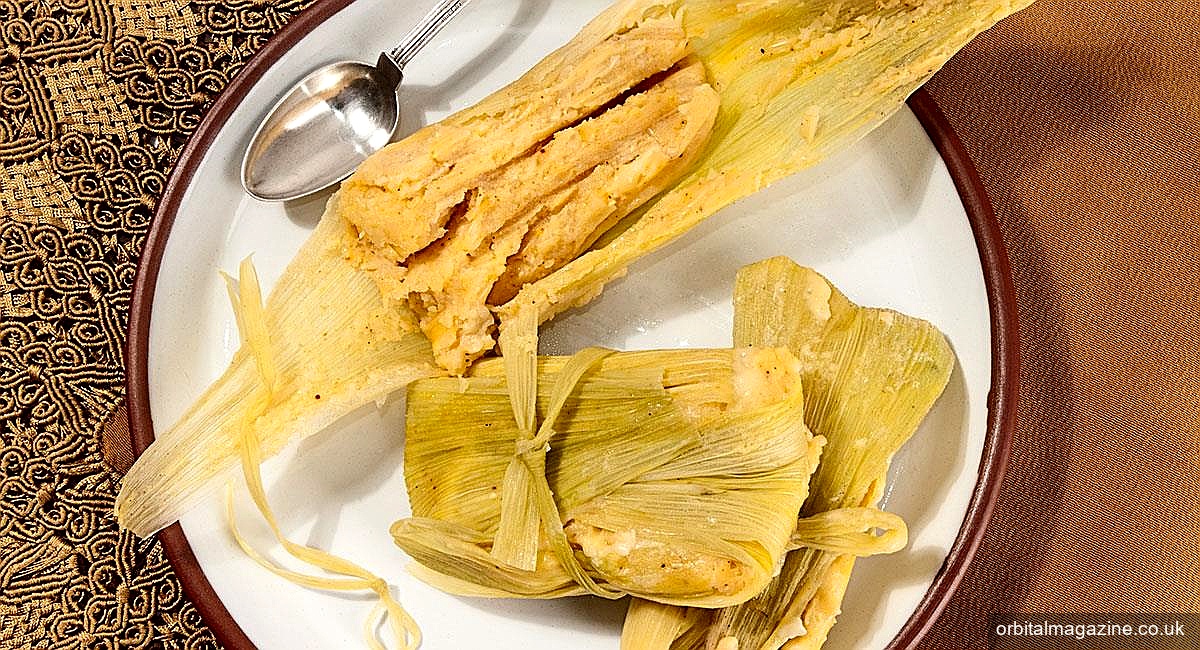
What Are Humintas? Understanding the Iconic Andean Corn Specialty
If you have ever embarked on a culinary journey through South American cuisine, you have likely encountered the irresistible charm of the huminta. Also known as humita across various regions, this ancient dish boasts a rich, pre-Columbian heritage that spans across the majestic Andes mountains, prominently featuring in the traditional cuisines of Bolivia, Peru, Ecuador, Chile, and northwestern Argentina. At its core, a huminta is a delicately crafted corn parcel made from freshly ground young corn, blended with aromatic spices, rich butter, milk, and melted cheese, all lovingly wrapped inside a natural corn husk and either steamed to pillowy perfection or baked until golden brown. The resulting texture is extraordinarily fluffy, moist, and deeply satisfying, offering a comforting bite that balances sweet corn flavors with savory, salty undertones.
In modern gastronomy, food lovers around the world are increasingly seeking out these authentic Latin American delicacies for breakfast, afternoon tea (known locally as lonche or merienda), or late-night snacks. Opening a freshly cooked huminta is a sensory experience like no other; as you unwrap the bound green or golden corn husk, a warm cloud of fragrant steam infused with sweet choclo corn and toasted cheese fills the air. Because the dish relies heavily on traditional technique and high-quality fresh ingredients, finding an authentic vendor requires a bit of culinary insider knowledge. That is precisely why discerning food enthusiasts spend time searching for the best humintas near me to ensure they experience the genuine depth of flavor that only handcrafted Andean cooking can deliver.
Understanding the subtle regional differences in spelling and preparation is essential for any food lover exploring South American menus. In Bolivia, the dish is overwhelmingly referred to as a huminta, where it is frequently prepared either as huminta al horno (baked in clay or modern ovens with a crispy, caramelized crust) or huminta al vapor (delicately steamed in husks over boiling water). In contrast, Peruvian, Chilean, and Ecuadorian communities typically drop the “n” and spell it humita. Despite these minor regional linguistic variations, the soul of the dish remains unified by its reliance on choclo—the giant-kernel, low-sugar white corn indigenous to the high-altitude Andean valleys. This unique ingredient gives the parcel its signature velvety consistency that sets it apart from Mexican tamales or Venezuelan hallacas.
Regional Flavors: Sweet vs. Savory Humintas Around the Globe
The beauty of the huminta lies in its remarkable versatility across different Latin American cultures and restaurant kitchens. Broadly speaking, humintas fall into two main taste profiles: sweet (humintas dulces) and savory (humintas saladas). Sweet humintas are traditionally seasoned with a touch of sugar, ground cinnamon, anise seeds, and sometimes plump raisins, creating a dessert-like package that pairs exquisitely with a dark, bitter cup of Bolivian coffee or hot chocolate. The subtle liquorice warmth of anise seeds cuts through the rich creamy corn texture, delivering a taste profile that has been cherished for generations. On the other hand, savory humintas lean into the rich taste of fresh Andean cheese, lard or oil, sauteed onions, and salt, creating an earthy, satisfying meal that stands on its own or accompanies grilled meats.
In international culinary hubs, talented diaspora chefs have brought these beloved recipes to North American food scenes, allowing food lovers to experience authentic recipes without hopping on an international flight. For instance, cities with vibrant Bolivian and Peruvian populations boast authentic bakeries and traditional diners that serve fresh batches every morning. Food critics and international dining guides frequently highlight top-tier establishments in metropolitan areas like Washington, DC, and New York City, where specialized eateries showcase the heritage of South American corn dishes. When exploring top-rated South American spots in Washington, DC, you will find legendary Bolivian bakeries and upscale Andean dining concepts serving both baked and steamed variations that strictly honor traditional centuries-old recipes.
Whether you lean toward a sweet afternoon treat or a savory breakfast item, finding a kitchen that prepares these parcels fresh daily makes all the difference. While automated kitchen equipment exists, true artisans still grind their corn using traditional millstones or specialized food processors that preserve the moisture of fresh choclo without turning it into liquid soup. For anyone currently hunting for the best humintas near me, identifying restaurants that take pride in sourcing authentic starch-rich corn and fresh queso blanco is the single most important factor in guaranteeing an unforgettable dining experience.
Key Ingredients and Traditional Cooking Techniques
To truly appreciate what makes a exceptional huminta stand out, one must examine the meticulous ingredient selection and traditional preparation techniques required to make them from scratch. The absolute hero of any huminta recipe is the corn itself. Unlike North American sweet corn, which is high in sugar and liquid content, authentic humintas demand high-starch, broad-kernel white corn known as choclo. When ground, choclo forms a naturally thick, creamy paste that thickens beautifully when exposed to heat without requiring heavy additions of commercial cornmeal or flour filler. This natural corn paste is combined with melted butter or lard, warm milk, beaten eggs, and a pinch of salt or sugar depending on whether the chef is aiming for a sweet or savory profile.
The assembly process is an art form in itself that requires practiced dexterity. Fresh corn husks, known locally as pancas or chalas, are carefully selected, washed, and softened in boiling water to make them pliable. Two husks are overlapped to create a secure pocket, into which a generous dollop of the seasoned corn batter is placed. A thick block of fresh, salty melting cheese—such as queso fresco, queso cuajada, or traditional Bolivian queso criollo—is buried directly in the center of the batter. The husks are then tightly folded into neat rectangular packets and bound tightly using thin strips shredded from remaining corn leaves, ensuring that no steam or liquid escapes during the cooking phase.
Once wrapped, the humintas undergo their final transformation through cooking. Steamed humintas are stacked vertically in giant steaming pots over a bed of leftover corn cobs and husks, allowing gentle steam to cook the corn paste into a soft, custard-like texture over 45 to 60 minutes. Baked humintas, conversely, are arranged on large baking trays and baked at high temperatures until the tops turn a stunning golden-brown color, creating a pleasant contrast between a slightly crispy outer shell and a gooey, molten cheese interior. When typing **best humintas near me** into your search bar, you are ultimately searching for dedicated culinary artisans who still respect this labor-intensive process.
Top Metropolitan Hotspots for Authentic South American Humintas
If you are wondering where to begin your search for authentic humintas in North America, key metropolitan regions with established Latin American communities offer exceptional options. The Washington, DC metropolitan area—specifically Northern Virginia and Maryland—is widely regarded as a major hub for Bolivian and Peruvian gastronomy. Popular destinations such as Luzmary Bolivian Restaurant, Pan American Bakery & Grill, Delicias Del Gato, and Luzmila’s Bolivian Restaurant have built stellar reputations for crafting authentic baked and steamed humintas daily. Modern fine-dining concepts like MITA in DC have even reinterpreted traditional corn humitas through contemporary culinary techniques, elevating the humble street food to fine-dining status.
Moving north to New York City, neighborhood pockets in Queens and Brooklyn showcase incredible diversity in Andean food culture. Foodies hunting for authentic Ecuadorian and Peruvian variations can explore specialized spots like La Hueca or Paraguayan and South American specialty kitchens that prepare fresh corn dishes wrapped in genuine husks. These establishments often serve humintas alongside traditional side dishes, such as pickled red onion salad (salsa criolla), hot rocoto pepper sauces, or traditional steaming mugs of purple corn api infused with cinnamon and cloves. Finding these local gems guarantees an immersive culture and flavor experience right in your hometown.
Finding these hidden culinary treasures is easier than ever if you know what key terms and regional signs to look for on menus. Searching online for local Bolivian bakeries, Peruvian rotisseries (pollerías), or Ecuadorian cafes will frequently lead you to small, family-run establishments that do not always advertise heavily on major commercial platforms. Checking customer reviews and social media tags using the query best humintas near me will reveal word-of-mouth recommendations from South American expatriates who know exactly where to find the most authentic flavors in your city.
How to Identify an Authentic and High-Quality Huminta
Not all humintas are created equal, and knowing how to evaluate the quality of what you are served will help you separate mediocre offerings from extraordinary ones. First and foremost, pay close attention to the texture of the corn cake when you cut into it. A high-quality huminta should be dense yet incredibly light, soft, and moist. It should hold its shape firmly without dissolving into a watery sludge, nor should it feel dry, rubbery, or dense like dry cornbread. If the huminta feels greasy or overly floury, it is a sign that the kitchen used excessive cornstarch, vegetable oil, or commercial cornmeal rather than fresh ground choclo corn.
The quality and distribution of the cheese filling is another crucial benchmark of excellence. A authentic huminta should feature a distinct, generous slab of fresh cheese embedded right in its center, rather than shredded cheese vaguely mixed throughout the batter. When served hot, this cheese should stretch enticingly, providing a sharp, salty contrast to the naturally sweet, aromatic corn surrounding it. Furthermore, authentic sweet humintas should feature subtle, warm background notes of whole anise seed and cinnamon without being excessively sugary or cloying, allowing the true taste of fresh corn to remain the star star of the dish.
Finally, consider how the huminta is served and paired on the table. In traditional South American coffee shops and bakeries, humintas are enjoyed hot out of the oven or steamer, accompanied by a cup of strong black coffee, herbal tea, or rich Andean hot chocolate. If you are exploring a traditional Peruvian bakery, you might also find other iconic baked goods and pastries on the menu, such as delicate, melt-in-your-mouth traditional Peruvian alfajores sandwiched with rich dulce de leche. Combining these authentic treats creates an unforgettable culinary experience that keeps food lovers coming back for more.
Making Humintas at Home vs. Buying Local: What You Need to Know
For adventurous home cooks, attempting to make humintas at home can be an exciting and rewarding weekend culinary project, though it is not without its distinct challenges. The primary obstacle faced by home cooks outside of South America is sourcing authentic fresh choclo corn. Standard sweet yellow corn found in local supermarkets contains far too much sugar and moisture, resulting in a runny batter that fails to set properly without adding large amounts of flour or cornstarch. While frozen imported choclo kernels can often be purchased at international Latin American grocery markets, rehydrating and grinding them to achieve the perfect texture requires specialized high-powered equipment and patience.
Furthermore, the physical labor involved in shucking fresh corn, carefully preserving intact husks, making the delicate corn leaf ties, and mastering the intricate folding process requires considerable practice and time. Folding a huminta so that the liquid paste does not spill out during the intense baking or steaming phase is a skill that traditional Andean cooks hone over many years. For these reasons, while home cooking can be a fun experiment, relying on skilled local bakeries and dedicated South American chefs remains the most reliable way to enjoy authentic, perfectly balanced humintas whenever a craving strikes.
By supporting your local South American restaurants, bakeries, and food trucks, you not only save hours of labor intensive prep work, but you also help preserve vital cultural culinary traditions within your local community. Next time you find yourself craving a warm, aromatic, cheese-filled corn delicacy, simply perform a quick search for the best humintas near me, head out to your nearest family-owned Andean restaurant, and indulge in one of the most comforting and historic culinary treasures South America has to offer.
