

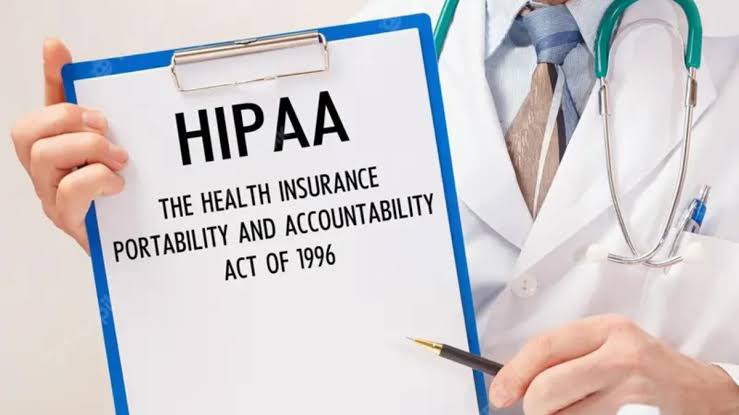
Medical records. Personal health data. Few industries sit on anything this sensitive. A federal statute — the Health Portability and Accountability Act, HIPAA — governs exactly how that information moves, who touches it, and what happens when things go sideways. If you’re in healthcare IT, administration, or direct patient care, compliance isn’t optional background knowledge. It’s the job itself. And the stakes aren’t theoretical — violations don’t just produce fines. They shred reputations and gut the patient trust the entire sector depends on.
Understanding HIPAA and Its Core Purpose
1996. That’s when Congress decided patient privacy needed actual federal teeth. Digitization was accelerating fast, and patient protections were barely keeping pace. So HIPAA created national standards for how health data gets handled — covering health plans, clearinghouses, and providers transmitting records electronically. Business associates who touch protected health information on an organization’s behalf? Bound by it too. The underlying tension the law tries to address is real: providers need patient data to function at all, yet patients have a legitimate right to keep that same data private. Threading that needle is what compliance is actually about.
HIPAA’s reach goes well beyond electronic records, though. Protected health information includes anything that could identify a patient — a paper file, a server entry, or even an offhand comment between two nurses in a corridor. That scope is deliberate. Software alone won’t fix it. Real compliance demands an organizational culture where privacy lives inside every department, every workflow, every staff member’s daily habits. Policies, training, risk assessments, documentation — none of it ever truly stops. It’s not a project. It’s a permanent operating condition.
The Privacy and Security Rules as Foundational Requirements
Two regulatory frameworks anchor HIPAA. The Privacy Rule hands patients concrete rights — access to their own records, the ability to request corrections, a clear account of how their data’s been used. Covered organizations must keep written privacy policies, appoint a designated privacy officer, and build real procedures for handling patient requests and complaints. Transparency isn’t optional. It’s written directly into the statute, with no wiggle room left.
The Security Rule narrows its focus to electronic protected health information specifically. Three categories of safeguards are required: administrative (security management, workforce protocols, access controls), physical (restricted entry to facilities and hardware holding patient data), and technical (encryption, audit logs, systems tracking exactly who accessed what and when). Regular risk analyses aren’t suggestions. They’re mandatory. What “appropriate” protection looks like will vary with an organization’s size and complexity — but identifying and addressing vulnerabilities? No exceptions on that one.
Risk Assessment, Documentation, and Ongoing Compliance
HIPAA compliance has no finish line. Assess, adjust, document — then do it again. Risk assessments need to cover technical infrastructure and human behavior both, because breaches trace back to staff error or misconduct just as often as to system failures. Documentation isn’t optional, either. Policies, training records, security measures, incident logs — during an audit, that paper trail is the only real evidence you’ve got.
Accountability matters just as much. Someone — a person or an entire department — must own compliance across the organization. Staff training is especially critical; employees are frequently both the first and last line of defense. Training should cover acceptable use of patient data, records handling, breach reporting procedures, and the organization’s own specific policies. And when a breach happens anyway — because sometimes it does — the response procedures need to already exist. Investigate quickly. Notify affected individuals. Report to the relevant authorities. For organizations managing these responsibilities across multiple departments, a dedicated HIPAA compliance service provides structured support for risk assessments, policy development, and workforce training to help organizations meet their obligations consistently.
Business Impact and the Case for Compliance Investment
The business case runs well past penalty avoidance. Patients expect their providers to protect their data — and breach notifications travel fast, dragging reputation and patient loyalty down with them. Providers who can demonstrate strong compliance practices differentiate themselves in competitive markets. Insurers and government agencies contracting with healthcare organizations routinely demand compliance certifications before anything gets signed.
There’s an operational upside too. Security-focused data systems tend to sharpen data quality and accessibility for legitimate clinical and administrative use. Staff trained in privacy develop sharper professional instincts — they catch risks earlier, before those risks become incidents. Yes, compliance infrastructure costs money. Sometimes quite a lot. But that investment almost always runs cheaper than responding to a major breach or surviving a regulatory enforcement action.
Conclusion
HIPAA compliance isn’t a checkbox. It’s a commitment — to patient privacy, to responsible data stewardship, to the operational integrity healthcare actually demands. The Privacy Rule and Security Rule spell out clear requirements. Ongoing risk assessment and documentation keep those requirements functional as circumstances shift. Organizations that treat HIPAA as a genuine business-critical obligation — rather than a burden to minimize — build stronger foundations for patient trust, operational stability, and long-term viability. Anyone working in healthcare administration or information management needs to understand these requirements. Not eventually. Now.
