

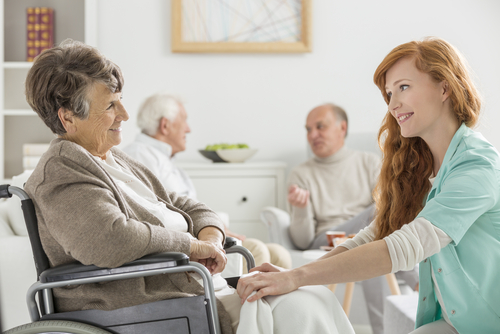
Emotional wellness doesn’t retire. It matters just as fiercely in the senior years as it did at forty — yet families routinely underestimate how much it shifts when someone moves into a new living environment. Disorienting doesn’t begin to cover it. And if you’re sizing up a senior living community for yourself or someone you care about, the mental health piece deserves more than a glance at the brochure. Not a checkbox moment. Actual, hard scrutiny. Quality assisted living communities understand that residents arrive carrying decades of relationships, grief, identity, and emotional complexity — all of it requiring genuine, professional attention. Watch how a community weaves that support into ordinary daily life. It’ll tell you nearly everything about whether they take resident wellbeing seriously or just claim to.
How Mental Health Services Are Integrated into Daily Life
Emotional wellness can’t be bolted on as an afterthought — it doesn’t work that way. Strong communities don’t silo mental health support into one weekly session and call the job done. It runs through shared meals, evening programs, morning check-ins, the casual hallway exchange nobody planned. Staff aren’t just aides. They’re trained to notice when someone’s affect has shifted, when the jokes have stopped, when a resident who used to linger at dinner now eats alone. That kind of attentiveness takes real, specific training — recognizing depression, anxiety, subtler distress signals. And when emotional support, physical health plans, and social programming actually talk to each other? The difference is palpable. Patchwork care versus something genuinely whole. You feel it the moment you walk in.
Access to Professional Mental Health Resources
Many quality senior communities give residents direct access to licensed counselors, therapists, and psychiatrists who specialize in aging — on staff or through regular visiting partnerships with local providers. That matters more than it sounds. Grief doesn’t wait for a convenient appointment. Neither does loneliness, the quiet terror of a new diagnosis, or the disorientation of leaving a home you’d lived in for forty years. Having professionals nearby removes a real barrier. No complicated scheduling. No unfamiliar waiting rooms across town. Some communities offer individual therapy, group counseling, and focused support groups — grief circles, memory-change discussions, life-transition groups. Each one serves a different need. Professional support combined with peer connection creates something more robust than either could alone.
Building Connection and Social Support Networks
Isolation is a genuine health risk. Quality communities treat it that way. They design programs and physical spaces deliberately — not just to fill time, but to create the conditions where real friendships can form. Hobby groups, volunteer opportunities, shared meals, evening events. These aren’t extras. They’re infrastructure. For families navigating this decision locally, Assisted Living in Spartanburg, SC offers structured social programming alongside professional wellness support — so residents start building real connections from day one, not after months of awkward adjustment. Staff also keep watch. When someone starts withdrawing, a good team member notices — a gentle nudge toward a group activity, or simply sitting down for a real conversation. Those moments become protective. They give residents purpose, belonging, a reason to show up tomorrow.
Personalized Care Plans That Address Emotional Needs
Your care plan shouldn’t read like a medical chart that forgot you’re a person. During move-in, a thorough assessment should surface your mental health history, your current concerns, and — crucially — what emotional support actually means to you. Not a generic answer. Yours. From there, the plan might include professional mental health services, specific program recommendations, regular check-ins with care partners, or connections with volunteer visitors. It should also flex. Needs change; the plan has to change with them. This isn’t administrative paperwork — it’s a commitment to treating you as an active participant in your own wellbeing, not a passive recipient of someone else’s decisions.
Environmental Design and Safety Considerations
Physical space shapes mood. Full stop. Communities serious about mental health don’t build environments that feel institutional, dim, or clinical. Good lighting, comfortable gathering areas, outdoor access, quiet corners for reflection — these details accumulate into something residents either feel or don’t. Privacy policies matter too. So does how safety measures get implemented. There’s a meaningful difference between a community that protects residents and one that makes them feel confined. The goal is an environment where residents feel secure enough to be themselves — and confident that if they voice an emotional need, someone will actually listen.
Conclusion
Real mental health support isn’t a brochure item. It lives in daily interactions, in how staff are trained, in whether the physical space feels human, in whether professional resources are genuinely accessible or just listed somewhere on a website. Push past the surface when you’re evaluating communities. Ask specific questions about staff training, care planning processes, social programming, how mental health concerns actually get addressed day-to-day. Visit in person. Watch how people interact. Talk to current residents if you can. You deserve to know how a community will support you emotionally — not just physically — through one of the more significant transitions of your life. That knowledge is what makes a real choice possible.
